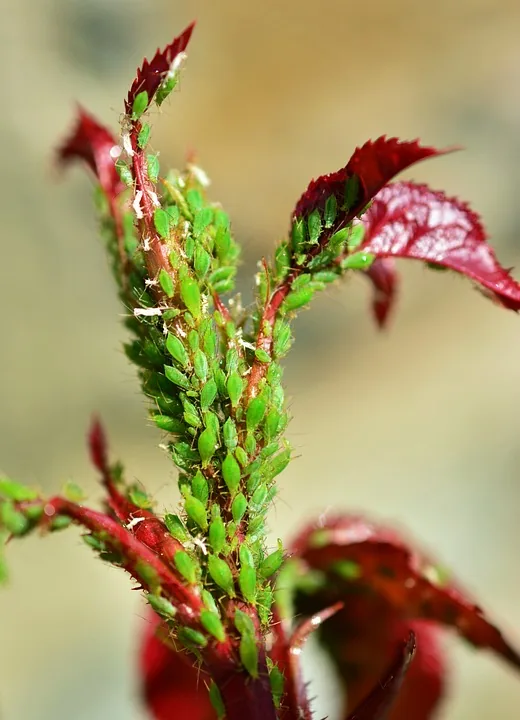
Field Identification
If new growth is curling, yellowing, sticky, or chewed, aphids may already be on the plant. This pest often builds quietly, then damage appears all at once. Feeding stress weakens growth, reduces yield, and opens the door to secondary disease. Early cleanup is much easier than fighting a full population surge later.
Inspect the newest growth first: leaf undersides, flower buds, stem joints, and tender tips where pests gather. Look for body shape, color, eggs, cast skins, honeydew, webbing, or fresh puncture marks. A hand lens and a white paper tap test help reveal small life stages. Matching visible pests with fresh plant damage confirms active infestation.
Not sure what you have? Use the symptom diagnosis tool →
How to Deal With It
Organic Control Methods
Do nothing for 2-3 days after first spotting aphids — ladybug larvae, lacewing eggs, and parasitic wasps are likely already responding. Spraying anything, even water, can kill arriving predators and make the problem worse. To attract these helpers permanently, plant dill, fennel, cilantro, or yarrow nearby — their flat-topped flowers are landing pads for beneficial insects. Never buy ladybugs online or from a store. Commercially sold ladybugs are harvested from wild hibernating populations, carry disease, and fly away within hours of release. Your local ladybugs are already there — feed them with habitat, not purchases.
Aphids love soft, sweet new growth — and that growth is caused by too much nitrogen. If you are overfeeding with fertilizer, you are growing an aphid buffet. Healthy plants in living soil with balanced nutrition are genuinely less attractive to aphids. Aphids are born pregnant and a single aphid becomes thousands in one week — early action matters more than any spray. Check new growth weekly. A few aphids with ladybug larvae nearby means the system is working. A colony with no predators in sight means act now.
Plant garlic, chives, or strong-smelling herbs at the base of aphid-prone plants — the volatile compounds confuse aphid navigation. Marigolds and nasturtiums at garden edges work as trap crops: aphids prefer them and cluster there instead of your food plants, making cleanup easier. Aphids reproduce without mating — one survivor restarts the colony. After a spray or water blast, check again in 3 days. The lifecycle from birth to reproducing adult is 7-10 days in warm weather, so weekly monitoring catches surges before they become infestations.
A hard jet of water knocks aphids off plants and buys you a few days — they cannot climb back up easily. This works well for light infestations on sturdy plants. Do it in the morning so leaves dry before evening. For heavy infestations, water blasting becomes a daily chore that never quite wins. At that point, move to insecticidal soap and address the underlying cause — too much nitrogen, no beneficial habitat, or a stressed plant that needs help beyond pest control.
Insecticidal soap is just soap and water — mix 1-2 teaspoons of pure castile soap (like Dr. Bronner unscented) per quart of water in a spray bottle. That is it. Commercial insecticidal soap is the same thing at 10x the price. Spray directly on aphids, covering undersides of leaves where they cluster. It kills by contact — it must hit the pest to work, and it stops working when it dries. Spray at dusk when beneficial insects are not active, because it kills soft-bodied beneficials too. Neem oil works differently — it disrupts the aphid hormone system and prevents molting. Mix 1 tablespoon neem oil plus 1 teaspoon castile soap per quart of warm water. Apply weekly as prevention or every 3 days during active infestation. Neither spray discriminates — avoid flowers and areas with visible beneficial activity.
Let Nature Handle It
Natural Enemies
- Ladybugs
- Lacewings
- Parasitic Wasps
- Hoverfly Larvae
- Predatory Beetles
Threat Map