About
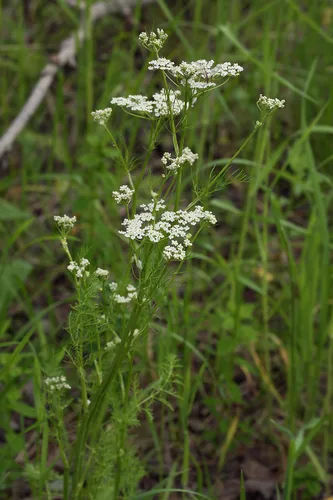
Caraway is the biennial-perennial spice carrot your rye bread remembers — feathery leaves, umbels of white-to-pink flowers, then seeds with that warm, resinous bite. In subtropical and tropical Americas it behaves like a cool-season worker: lush in winter and spring, cranky when nights stop cooling off. Grow for leaves, taproot experiments, and seed heads; harvest seeds when brown and crisp. Not a tropical hero, but a fun rotation herb if you refuse to only plant basil. Full sun in cool months; light afternoon shade when heat spikes. Even moisture; drought pushes premature flowering. Deep, fertile soil helps the root and seed cycle. Seed: sow in fall or early spring; thinning improves airflow. Second-year plants produce the heaviest seed — plan the cycle. Snip tender Wild Caraway growth in cool mornings for best texture -- heat-stressed leaves taste like their day job. Flowers at full color for peak volatiles; seeds when pods rattle but before they self-sow across paths. Dry herbs in thin layers; deep piles steam themselves into compost.
Permaculture Functions
- Edible: Carum carvi mericarps flavor rye bread and sauerkraut -- second-year umbels yield the spice; first-year roots taste like parsley-carrot.
- Medicinal: Carvone-rich oil drives carminative reputation -- therapeutic doses still track culinary use unless you own a still and lab.
- Pollinator: White-pink umbels host parasitoid wasps and mini bees before dill dominates July -- succession plant with cilantro for continuous Apiaceae bloom.
- Border Plant: Feathery cool-season rosettes edge beds in Mediterranean climates -- bolts fast when heat arrives; treat as winter crop in subtropics.
Companion Planting
Threats & Pressure