About
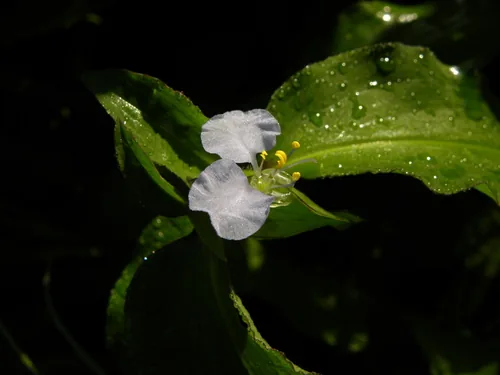
Spiderwort (Tradescantia virginiana) is a clump-forming perennial of eastern North American meadows and open woods, with arching leaves and three-petaled blue-violet flowers that open fresh each morning for weeks. Plants reach 1–2 feet (30–60 cm), self-sowing politely in gardens that tolerate a little chaos. Young shoots are mild edibles where ID and spray history are clean. Full sun to light shade; afternoon shade reduces petal melt speed in hot climates. Average to moist, well-drained soils suit it; tolerates clay if drainage moves. Mulch to buffer roots; avoid stagnant water over crowns. Divide clumps in spring; sow seed outdoors in fall. Deadhead near paths if volunteers annoy pavers. Gather young leaves and flowers in cool mornings for salads—verify ID. Cut back floppy stems after heavy bloom to refresh foliage. Peak bloom tracks late spring into summer warmth.
Permaculture Functions
- Pollinator: Tradescantia virginiana new indigo blooms open at dawn to feed small native bees -- while double garden cultivars offer little usable pollen in the same week.
- Ground Cover: Clumping strap leaves fill pocket prairies between coneflowers -- where crisp lines would look contrived.
- Edible: Mucilaginous young tips and flowers add mild crunch to wild salads -- when ID and spray history are both clean.
- Ornamental: Slender arching foliage and daily-fresh petals bridge formal border edges to meadow energy -- without resodding.
Companion Planting
- Wet stagnant soil — crown rot invites replacement shopping
- Invasive relatives exist—keep native species distinct from wandering houseplant tradescantias
Threats & Pressure