About
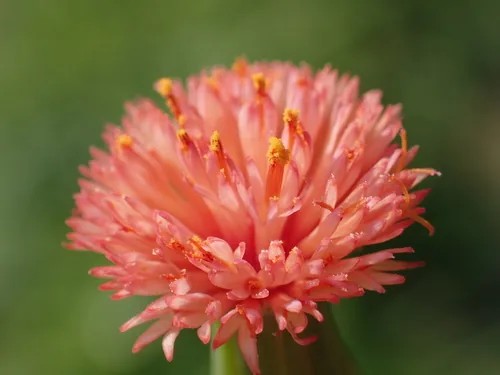
Florida tasselflower (Emilia fosbergii) is a warm-climate asteraceous annual or short-lived forb with bright orange-red composite flowers on slender stems, naturalized in disturbed sites through much of the humid subtropics and tropics of the Americas and beyond. Young leaves appear in some regional diets when identified correctly—treat eating as a literacy test, not a dare. In gardens it is a quick nectar source for small butterflies and a self-seeding filler in wildflower mixes; in agriculture it is sometimes labeled a weed because it tells the truth about bare soil and irrigation. Full sun; tolerates lean to moderately fertile, well-drained soils. Moderate moisture speeds growth; drought slows flowering. Not frost-hardy—dies back below roughly 30°F (-1°C) without protection. Avoid waterlogged heavy clay that rots the taprooted seedling stage. Seeds: sow after frost risk; germinates warm in days to weeks. Transplant thinned volunteers into beds where you want controlled color drifts. If using leaves as a pot herb, pick young growth before stems toughen. For pollinator value, leave flowers until seeds mature if you want volunteers; deadhead early if self-sowing is unwelcome.
Permaculture Functions
- Pollinator: Emilia fosbergii orange-red ligules flag migrating sulphur butterflies to nectar tubes -- along disturbed tropical roadsides before cosmos rows fade on the same heat calendar that kills frost below thirty degrees Fahrenheit.
- Edible: Young spatulate leaves show up as pot herbs in parts of Africa and Asia -- verify ligule color and involucre against Emilia sonchifolia before cooking trials on naturalized US rows where common names stay sloppy matchmakers.
- Wildlife Attractor: Self-seeding drifts feed late-season generalist pollinators on construction-scalp soils -- where irrigation overspray keeps ground moist enough for warm-season annual metabolism through zone 9-12 shoulder seasons.
- Ornamental: Airy wands hold saturated orange inflorescences on thin stems -- for wildflower strips needing tropical annual color without sterile hybrid petunias on the same HOA-facing berm you mulched with pine straw honesty.
Companion Planting
- Can behave aggressively in mild frost-free climates—deadhead if you do not want a monologue of orange seedlings
Threats & Pressure