About
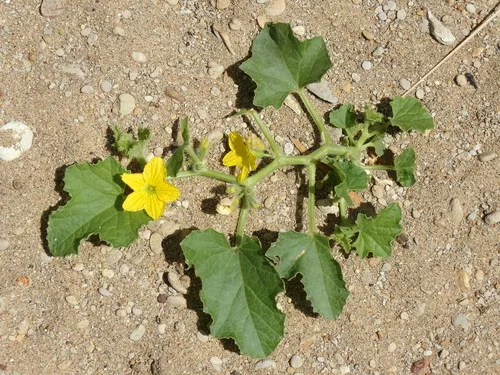
Cantaloupe (Cucumis melo) is a warm-season vine grown for its aromatic, sweet fruit and crunchy flesh. The crop traces back to regions of Africa and surrounding warm climates, and it now thrives across temperate-to-subtropical gardens with reliable heat. Vines can sprawl 1–3 m (3–10 ft), and fruits often weigh 1–5 kg depending on variety. In permaculture, cantaloupe earns space because it turns sun into food while its spreading canopy shades soil, cutting evaporation and keeping the bed cooler. Full sun; flowering and fruit set need long, bright days. Water consistently while plants are growing and fruit is sizing up; dry swings can reduce sweetness. Prefers fertile, well-drained soil amended with compost. Avoid waterlogged spots to reduce crown and root problems. Seeds (direct sow): sow after soil warms to about 70°F (21°C); germination often occurs in 5–10 days. Seeds (start and transplant): start indoors and transplant after warm nights and stable soil temperatures to gain a head start. Use trellis or mulch so vines stay off wet ground when possible. Harvest when fruit aroma is strong and the stem “slips” slightly from the vine; pick in the cool part of the day. Refrigerate after harvest or eat soon for best texture. Save seeds by letting fully ripe fruit ferment briefly, then rinse and dry.
Permaculture Functions
- Edible: cantaloupe types ripen aromatic netted fruits for fresh slices or frozen puree -- once stems slip and the blossom end yields slightly under thumb pressure.
- Pollinator: monoecious vines open yellow five-petaled flowers that require bee visits -- to move pollen from staminate to pistillate blooms during the narrow morning window.
- Wildlife Attractor: Split Cucumis melo melons and dropped overripe fruit draw wasps, ants, and mammals to the patch perimeter -- if culls sit on mulch more than a day in warm weather.
- Water Retention: vines blanket raised beds with hairy leaves that shade soil -- cutting evaporative loss between irrigations while fruits size on warm-season trellises or straw.
Companion Planting
Threats & Pressure