About
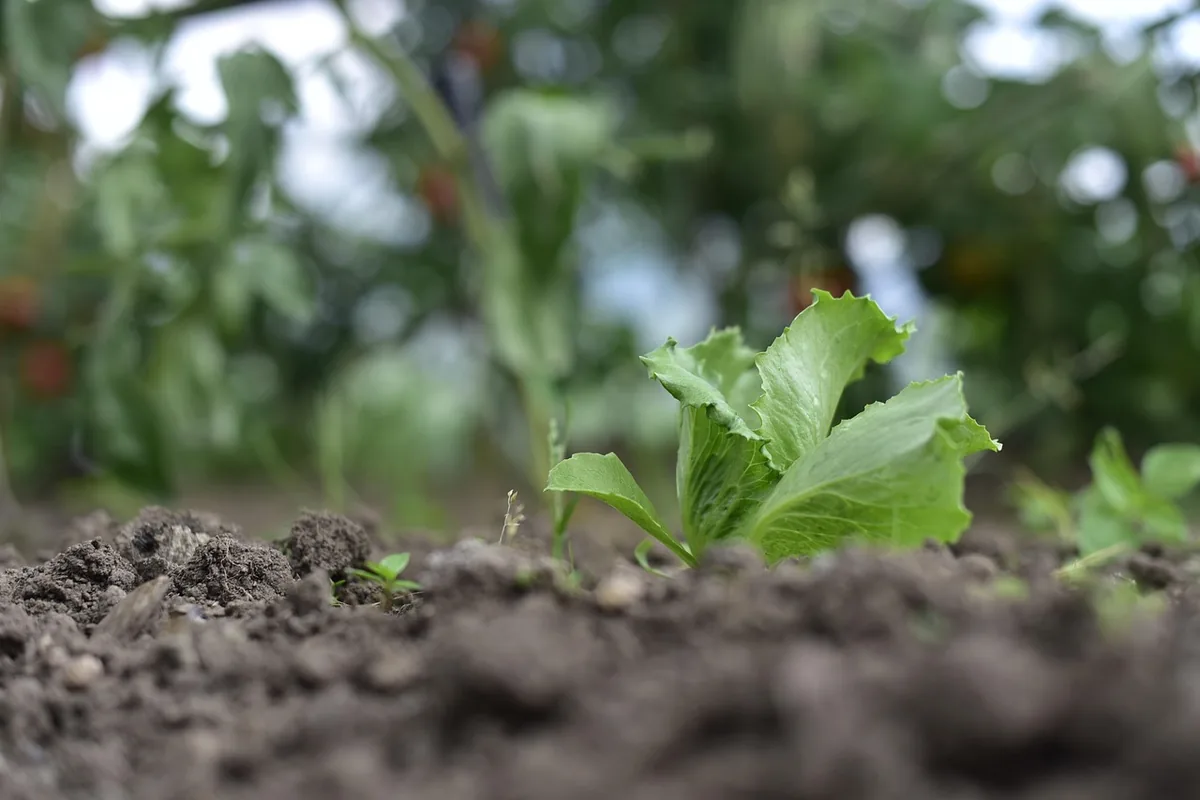
Iceberg lettuce is an annual vegetable known for its crisp, pale green leaves forming dense, cabbage-like heads. Each head typically measures 15-23 cm (6-9 inches) in diameter. Introduced in 1894, it remains popular for its mild flavor and crunchy texture. While not as nutrient-dense as darker leafy greens, it provides hydration and a satisfying crunch to salads and sandwiches. Iceberg lettuce thrives in cooler temperatures and may bolt or fail to form tight heads in warmer climates. Prefers full sun exposure but can tolerate partial shade, especially in warmer regions. Requires consistent moisture; soil should be kept evenly moist but not waterlogged. Mulching helps retain soil moisture and maintain cooler soil temperatures. Primarily grown from seeds. Sow seeds directly into the garden 1/8 inch deep as soon as the soil can be worked in early spring or late summer for a fall crop. Thin seedlings to 30 cm (12 inches) apart to allow room for head development. Harvest when heads are firm and reach full size, typically 70-80 days after planting. Cut the head at the base with a sharp knife. For best flavor and texture, harvest in the morning before the day warms up.
Permaculture Functions
- Edible: Lactuca sativa var. capitata forms dense pale heads with high water crunch -- slice for sandwiches and wedge salads at peak firmness before outer leaves yellow and bitterness sneaks in.
- Ground Cover: Tight head spacing shades inter-row soil in irrigated lettuce blocks -- it suppresses some germinating weeds and cuts soil splash onto neighboring leaves when mulch is thin.
- Biomass: Outer wrapper leaves, thinnings, and post-harvest cores feed compost or vermicompost bins -- juicy tissue breaks down fast, so balance with browns to avoid anaerobic slime in the pile.
Threats & Pressure