About
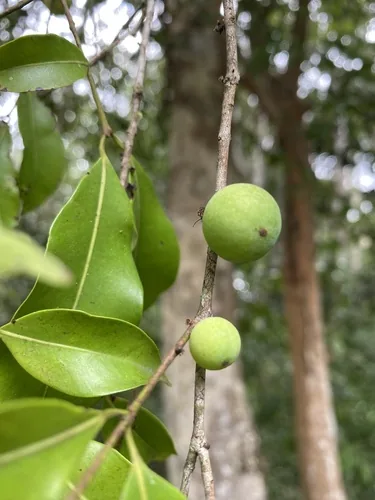
Rumberry is a small Myrtaceae tree of Caribbean and adjacent lowland tropics, kin to the guava tribe vibes without the big-box hype. It fruits small berries used locally for jams, wines, and "stop asking if it is a blueberry" energy. subtropical and tropical Americas coastal gardeners: this is a frost-tender novelty for protected courtyards or the bravest 10a microclimate, not a hedge for lazy landscapers. Full sun for best flowering and fruit; young plants appreciate partial shade while roots establish. Moist, rich, well-drained soil; regular water in dry spells, no standing anaerobic soup. Brief cool snaps tolerated better than hard freeze; protect when frost threatens. Seeds: sow fresh; viability drops if seed dries excessively. Cuttings: semi-hardwood cuttings under humidity dome in warm season. Rumberry: pick when color, aroma, and a gentle yield to pressure agree for that species -- impatient fruit keeps starch, latex, or both. Clip clusters with clean tools; shallow trays beat deep piles that bruise the optimistic bottom layer. Rain splits thin skins -- pick before monsoon weeks if weather apps cooperate.
Permaculture Functions
- Edible: Small Myrciaria floribunda berries go to jams, wine trials, and backyard syrups where aroma beats tonnage -- pick when skins color and fragrance peaks because thin skins split after sustained rain.
- Wildlife Attractor: Cream flowers on fine-textured foliage feed bees and small nectar-seeking insects -- ripe fruit vanishes quickly to birds tuned to Myrtaceae fruit.
- Ornamental: Compact glossy tropical habit fits protected courtyards -- where a full-size guava would crowd paths while still reading clearly as layered structure.
- Mulcher: Semi-evergreen leaf drop forms a steady fine litter carpet under low branches -- for shallow-rooted companions at the drip line.
Companion Planting
Threats & Pressure