About
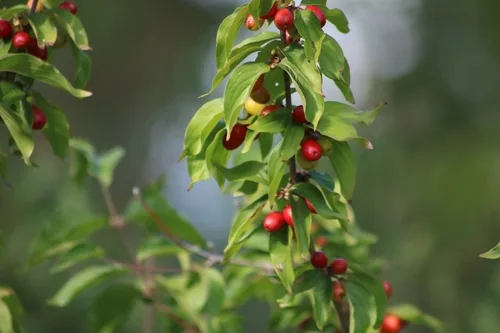
Cornelian cherry (Cornus mas) is a deciduous shrub or small tree native to Europe and western Asia, famous for its early spring blooms. It typically grows about 3–8 m (10–26 ft) tall and forms dense, branching growth with leathery leaves and clusters of small yellow flowers that arrive before many other garden plants wake up. In permaculture, that early nectar is free pollinator fuel, while the red, tangy drupes become a jam-and-snack harvest that extends the food calendar. Full sun to partial shade; flowering is best with more light. Water moderately during establishment; once established it tolerates short dry spells. Prefers well-drained soil with compost; heavy waterlogged ground can cause decline. Handles cool winters and recovers with pruning and good soil. Seeds: cold-stratify for about 3–4 months; germination can take 6–18 months depending on temperature stability. Hardwood cuttings: take in dormancy; root with bottom heat and consistent moisture, often in 6–12 weeks. Suckers: transplant naturally forming shoots into prepared spots for faster “already grown” plants. Harvest drupes when they turn dark red and soften slightly (late summer into fall depending on climate). Eat fresh if you like tart fruit, or process into jam, syrups, compote, and baked fillings. You can also dry some fruit slices for off-season snacks.
Permaculture Functions
- Edible: Sour red Cornus mas drupes make high-pectin jam, ketchup, and fruit leathers -- once sugar and cooking time tame their bite.
- Wildlife Attractor: Yellow February-March flowers feed bees on days too cold for most orchard blossoms -- ripe fruit feeds birds after processing scraps are shared honestly.
- Ornamental: Flaking bark, early gold flowers, and dangling red fruit give four-season structure -- to small urban trees and large shrubs.
- Shade Provider: Rounded crown throws dappled shade over early bulbs, comfrey, and woodland herbs at the dripline -- without dense darkness.
Companion Planting
Threats & Pressure