About
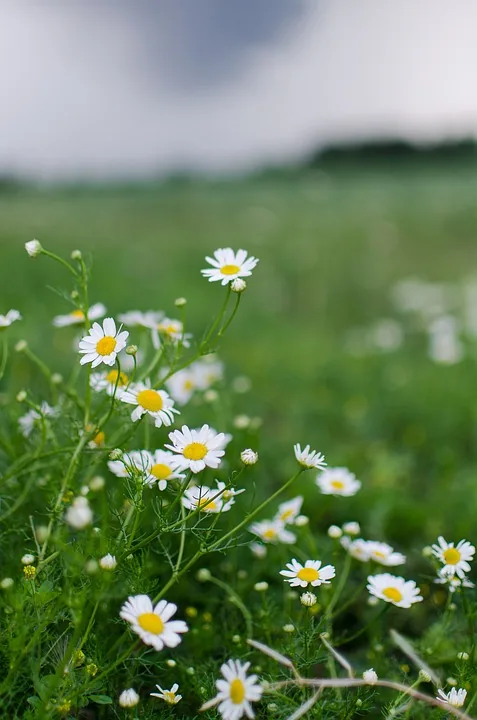
Chamomile (Matricaria chamomilla and Chamaemelum nobile) is a small herbaceous plant known for its daisy-like flowers with yellow centers and white petals. It grows between 15–60 cm (6–24 inches) tall, depending on the variety, and emits a sweet, apple-like fragrance. German Chamomile is an annual that self-seeds easily, while Roman Chamomile is a low-growing perennial. Both varieties thrive in well-drained, sandy, or loamy soils and tolerate drought conditions once established. Chamomile attracts pollinators and beneficial insects while repelling certain pests. Prefers full sun but tolerates partial shade. Grows best in well-drained, light, and sandy soils. Requires moderate watering; drought-tolerant once established. Seeds: Direct sow in early spring; does not require deep planting. Division: Roman Chamomile can be divided in spring or fall. Self-seeding: German Chamomile reseeds naturally and returns yearly. Flowers are harvested when fully open, typically in late spring to early summer. Regular harvesting encourages continuous blooming. Dry flowers in a well-ventilated area for medicinal and culinary use.
Permaculture Functions
- Edible: German chamomile ray-and-disk flowers dry into apple-scented tea -- Roman lawn forms add petals to cold drinks without the bitter core disk of the annual type.
- Medicinal: Bisabolol-rich volatile oil in fresh flowers supports traditional calming tea and skin rinses -- Asteraceae allergy and anticoagulant medication lists apply; harvest fully open heads in dry morning air to limit mold in the jar.
- Pollinator: Small composite heads pack accessible nectar for hoverflies and tiny solitary bees between brassica rows -- where larger flowers would be out of reach.
- Wildlife Attractor: Hoverflies that sip chamomile nectar also hunt aphid colonies on nearby lettuce -- when you leave a short unmowed band at bed ends.
- Mulcher: Post-bloom shearings from Roman mats lay thin enough to disappear in two weeks of warm rain yet still smother early spring chickweed -- between stones.
- Dynamic Accumulator: Potassium and calcium show higher in ash of flowering tops than in surrounding weeds, useful as potash tea ingredient -- when soaked in rainwater barrels for fruiting crops.
- Border Plant: Low Roman lines edge paths where foot traffic would kill taller herbs -- tall German self-sows along bed ends as a soft visual break from straight vegetable geometry.
- Pest Management: Weak tea sprayed cool evenings confuses some soft-bodied pests on seedlings in small trials -- stronger effect comes from hoverfly habitat when flowers stay open a few days.
Threats & Pressure