About
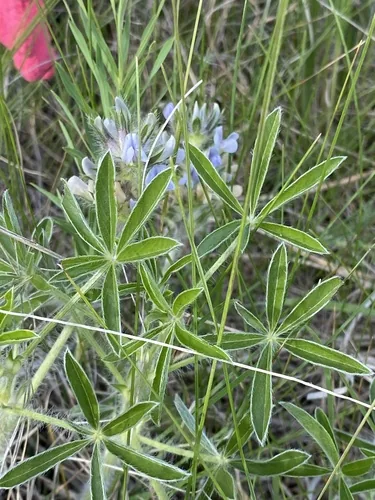
Prairie turnip is a Great Plains legume with a starchy taproot that fed humans long before grocery aisles—blue-purple flowers, silvery leaves, and a root that does not appreciate rushed harvest. It is slow from seed; wild harvest has ethics and ID requirements. subtropical and tropical Americas is outside its native heartland; treat trials as experimental unless you are deliberately mimicking prairie drainage and sun. Full sun; open grassland vibes. Well-drained, often calcareous or sandy soils; drought-tolerant once established—wet winter clay is rude. Seeds: scarify and stratify protocols improve germination—research landrace notes. Careful division rare; seed is standard. Roots after several years of growth in suitable climates; overharvesting wild stands is how traditions end—grow your own.
Permaculture Functions
- Edible: Pediomelum esculentum starchy taproots roast or boil like prairie potatoes after positive ID and respectful harvest ethics on wild stands -- slow from seed; cultivate dedicated beds instead of stripping remnant prairies.
- Nitrogen Fixer: Rhizobia nodulate roots on dry Great Plains soils, feeding companion grasses through nodule turnover -- inoculate new garden soil with prairie legume inoculant so nodules fill instead of staying empty jewelry.
- Wildlife Attractor: Purple papilionaceous flowers feed native bees during early-summer prairie bloom -- foliage hosts specialist larvae where local ecotypes still exist; do not transplant wild-dug roots without permits.
Companion Planting
Threats & Pressure
- Aphids
- Banded Cucumber Beetle
- Bean Aphid
- Bean Leaf Beetle
- Bean Weevil
- Corn Earworm
- Cowpea Curculio
- Fall Armyworm
- Japanese Beetles
- Kudzu Bug
- Locust Borer
- Locust Leaf Miner
- Lubber Grasshopper
- Pea Moth
- Pea Weevil
- Reniform Nematode
- Root Aphid
- Rootknot Nematodes
- Soybean Looper
- Spittlebugs
- Stink Bug
- Striped Cucumber Beetle
- Spotted Cucumber Beetle
- Brown Marmorated Stink Bug
- Harlequin Ladybird
- Velvetbean Caterpillar