About
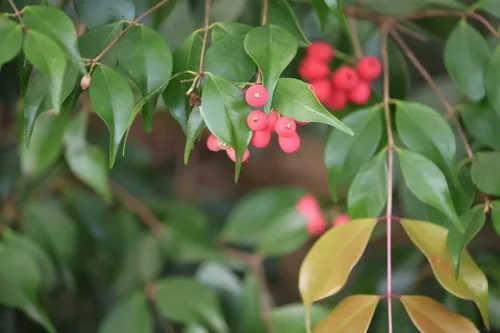
Riberry (Syzygium luehmannii) is an Australian rainforest margin tree or large shrub, farmed for small, crimson, slightly pear-shaped fruit with clove-cinnamon aromatics that anchor jams, sauces, and boutique beverages. Plants typically reach 20–40 feet (6–12 m) in humid subtropical climates, with glossy leaves and flaky bark that peels like tired wallpaper in humid air. In warm-climate permaculture it is a hedge candidate, bird feeder, and conversation fruit for growers bored with bland berries. Full sun to bright partial shade; young plants appreciate afternoon shade in hot districts. Rich, well-drained soils with steady moisture through the warm wet season and irrigation in dry spells support fruit sizing. Mulch to buffer roots; wind protection reduces leaf tatter on exposed ridges. Sow fresh seed; viability drops quickly—plant promptly. Graft or air-layer selections with superior fruit chemistry. Prune hedges after fruiting flushes to keep screens dense without interior dieback. Pick when color deepens and aroma peaks—flavor improves off-tree within a day for some recipes. Process quickly into sauces or ferments; thin skin bruises if tossed. Peak loads track local warm wet periods rather than temperate calendars.
Permaculture Functions
- Edible: Syzygium luehmannii crimson oblate fruit carries clove-cinnamon aromatics into boutique jams, meat glazes, and gin infusions -- harvest when color deepens and slight yield appears; pectin pairs with acid and sugar like honest myrtle country fare.
- Wildlife Attractor: Cream inflorescences feed honeybees; ripe lilly pilly berries feed figbirds and fruit bats in Australian yards -- net hedges if human-first harvest matters more than winged neighbors.
- Ornamental: Coppery new growth and exfoliating bark flakes justify front-yard placement before first fruit -- glossy opposite leaves read tidy in humid climates where fungus would spot lesser myrtles.
- Border Plant: Responds to clipping into 2–3 m screens along poultry paddocks and pool fences -- keep mulch doughnut off trunks because collar rot follows volcano mulch plus over-irrigation in warm wet winters.
Companion Planting
- Duplicate taxon also listed as Syzygium luehmannii under another filename—search noise, not a second species
- Pests of myrtle family—watch scale and sooty mold partnerships after ant highways appear
Threats & Pressure