About
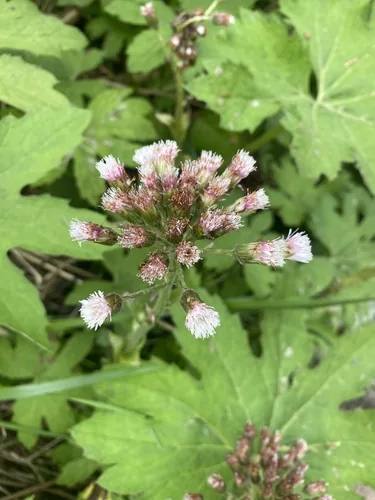
Japanese sweet coltsfoot (Petasites japonicus) is a bold riparian perennial with enormous round leaves on long petioles and early spring spikes of flowers before the canopy drama arrives. Clumps spread by rhizomes and love wet feet, forming a mini-jungle 2–4 feet tall in ideal sites—orderly gardens need rhizome barriers or regret. subtropical and tropical Americas: Only attempt where summers are moderated and soil stays moist: stream margins, boggy microclimates, or disciplined irrigation—not baking sand. Puerto Rico high-elevation cloud-forest moods might work; humid lowlands invite fungal meltdown without constant renewal air. Petasites chemistry demands respect: traditional dishes use careful processing; do not freestyle raw salads from internet courage. Part shade to full shade in hot climates; cool northern sites tolerate more sun if soil stays wet. Consistently moist, rich soil; organic mulch mimics floodplain litter and keeps rhizomes happy. Divide rhizomes in early spring before leaves fully expand; each chunk needs buds and immediate replanting into moist soil. Root cuttings in wet sand under humidity dome—patience, not heroics. Harvest young leaf stalks and tightly wrapped bud shoots only with verified safe preparation for your chosen cultivar and local guidance. Stop picking late-season tough growth; let plants recharge rhizomes for next spring’s edible rush.
Permaculture Functions
- Edible: Petasites japonicus forced spring stalks yield bitter kinpira ingredients after peeling and blanch cycles -- eat only cultivars bred for low pyrrolizidine loads.
- Ground Cover: Dinner-plate leaves shade riparian mud so invasive knotweed loses light battles -- on restoration sites managed with shovel discipline.
- Water Retention: Rhizomatous quilts sponge storm surge on shady creek banks -- before runoff reaches trout redds downstream.
Companion Planting
Also mentioned as companions:
- Skunk Cabbage
Not yet profiled in PermiePortal
- Dry berms with drip-only lies
- Small-statured spring bulbs that get buried under rhizome bulldozers
Threats & Pressure