About
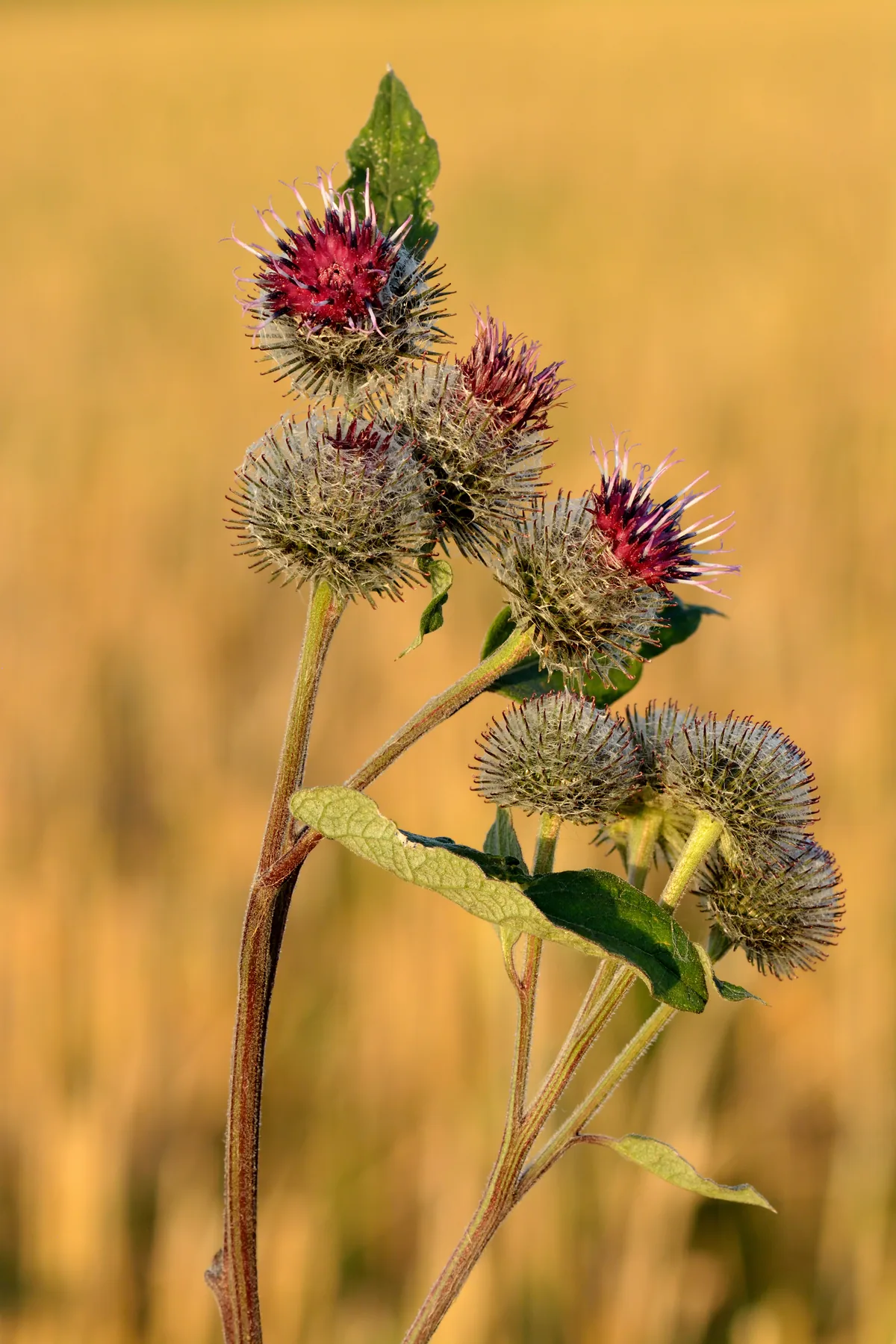
Burdock is the biennial bur machine that invented velcro shade—first-year rosette of huge leaves, second-year tower of thistle-ish flowers, taproot fat enough for pickles if you get year one right. Grows as a cool-season biennial; summer heat can push bolting—start early or provide afternoon shade for lush roots. Sun and water: Full sun to light shade. Deep, loose soil for straight roots; steady moisture prevents woody, forked gobo tragedy. Direct-sow fresh seed; thin hard; avoid transplanting deep taproot types unless very young. Burdock: dig tubers or roots after tops senesce or frost signals storage shift -- curing a few days at 50-60°F (10-16°C) sweetens some starches. Loosen soil wide first -- snapped necks invite rot in storage. Brush-dry before long storage; plastic totes without airflow grow penicillin cosplay.
Permaculture Functions
- Edible: first-year roots swell pencil-thick for kinpira and pickle batches -- if you dig before the bolt stalk elongates and fiber turns woody overnight.
- Medicinal: root shows up in East Asian decoctions for skin heat and throat protocols -- where pharmacopeias spell out cook times, not random overnight cold macerations.
- Dynamic Accumulator: Biennial taproots pull zinc and potassium from subsoil horizons typical carrots never reach, useful -- if you compost roots after market culls instead of landfilling.
- Animal Fodder: Goldfinches cling to bur spikes in autumn, stripping seeds -- while you decide whether to cut heads early to spare sock laundry next year.
Companion Planting
Threats & Pressure