About
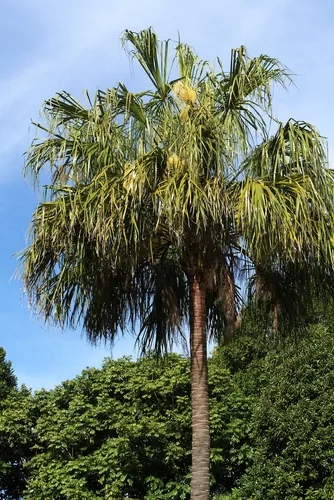
Ribbon palm (Livistona decipiens) is a medium-tall fan palm from eastern Australia, valued for costapalmate leaves with drooping, split segments that move like green ribbon in wind. Trunks reach 30–50 feet (9–15 m) in ideal tropical and subtropical sites, carrying a neat crown that casts filtered shade. It suits avenue plantings, pool buffers, and food-forest edges where a solitary palm silhouette beats another turf island. Full sun for compact trunk diameter and strong petioles; juvenile plants accept partial shade. Rich, well-drained soils with steady moisture through warm periods prevent tip burn; drought once established is possible but shows on leaflet tips. Avoid chronic salt spray; rinse foliage after storms on exposed coastal lots. Sow fresh seed in warm, humid conditions; germination is slow and steady, not instant gratification. Transplant seedlings with minimal root disturbance. Remove only dead fronds—green fronds feed the trunk; “hurricane cuts” are palm abuse cosplaying as landscaping. Primarily ornamental—seeds are not a standard food crop. Collect fallen fruit to reduce seedling volunteers near pavers. Growth flushes track year-round warmth in true tropics and warm wet seasons in subtropics.
Permaculture Functions
- Ornamental: Livistona decipiens costapalmate leaves split into drooping ribbon segments that move like green fringe in sea breeze -- solitary trunks read cleaner than clustering palms on tight pool decks.
- Shade Provider: 9–15 m open crown filters light for understory ginger, turmeric, or patio seating without deep mango gloom -- juvenile costapalmate fans stay low enough to underplant for the first half decade.
- Windbreaker: Avenue groups along driveways shred steady trades across humid subtropical keys -- spacing at least crown diameters apart keeps hearts ventilated and reduces Ganoderma butt-rot pressure from crowding.
- Wildlife Attractor: Cream panicles feed bees; dark fruit feeds pigeons and bats where trees naturalize -- rake fruit if parked cars live under canopy because purple mash etches paint honest and fast.
Companion Planting
- Frost and ice—leaf burn begins near 28°F (-2°C); marginal sites need protection for years
- Falling fruit and fronds—site away from glass roofs and parked ego vehicles
Threats & Pressure