About
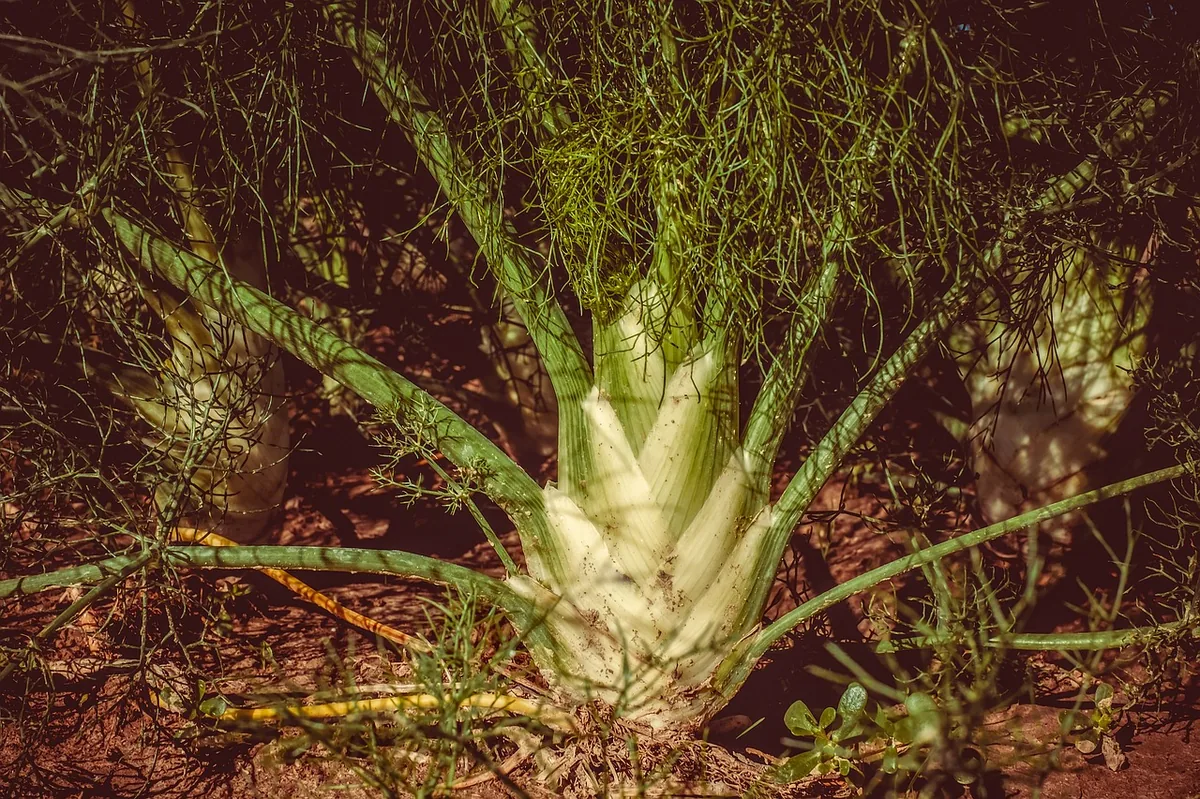
Fennel (Foeniculum vulgare) is a tall, aromatic, and feathery-leaved perennial herb that grows up to 1.8 meters (6 feet) tall. It produces umbrella-shaped clusters of small yellow flowers in summer, which attract beneficial insects. This plant thrives in well-drained, fertile soil and is highly drought-resistant once established. It is commonly used for its edible bulbs, seeds, and leaves, as well as for medicinal purposes. Prefers full sun and thrives in warm climates. Requires well-drained, loamy, or sandy soil. Drought-tolerant once established but benefits from occasional deep watering. Seeds: Direct sow in early spring or fall, as fennel does not transplant well. Self-seeding: Readily reseeds if flower heads are left to mature. No division: Root division is not commonly used for propagation. Leaves can be harvested anytime during the growing season. Bulbs should be harvested when they reach 8–10 cm (3–4 inches) in diameter. Seeds are collected in late summer when flower heads dry and turn brown.
Permaculture Functions
- Edible: Florence bulbs swell in cool wet months for shaved salads; common fennel stays stemmy for seeds that sweeten in biscotti -- and sausage where anise is too candy-forward.
- Medicinal: Sweet fennel seed tea is traditional for infant colic in some cultures -- estragole concentration means modern pediatric lists often say no; adult cup doses still deserve estrogen-sensitive medical review.
- Pollinator: Yellow Apiaceae umbels open for weeks in dry heat when many herbs are done -- tiny wasps that parasitize caterpillars tank up on nectar before searching tomato rows.
- Wildlife Attractor: Eastern black swallowtail larvae eat fine leaves without killing large plants -- plant a dedicated clump away from carrot if you do not want shared caterpillar confusion.
- Dynamic Accumulator: Sulfur signature in tissues reads higher than lettuce from the same bed -- ash and composted stalks return that load to the surface soil when you cut plants after seed drop.
- Border Plant: Six-foot bronze clouds mark allelopathic no-go zones around its own drip line -- honest visual signal that tomatoes and beans need another bed until residue fades next season.
Companion Planting
No companion data yet.
- Tomato
- Bean
- Carrot
- Dill
- Coriander
- Best grown alone
Threats & Pressure