About
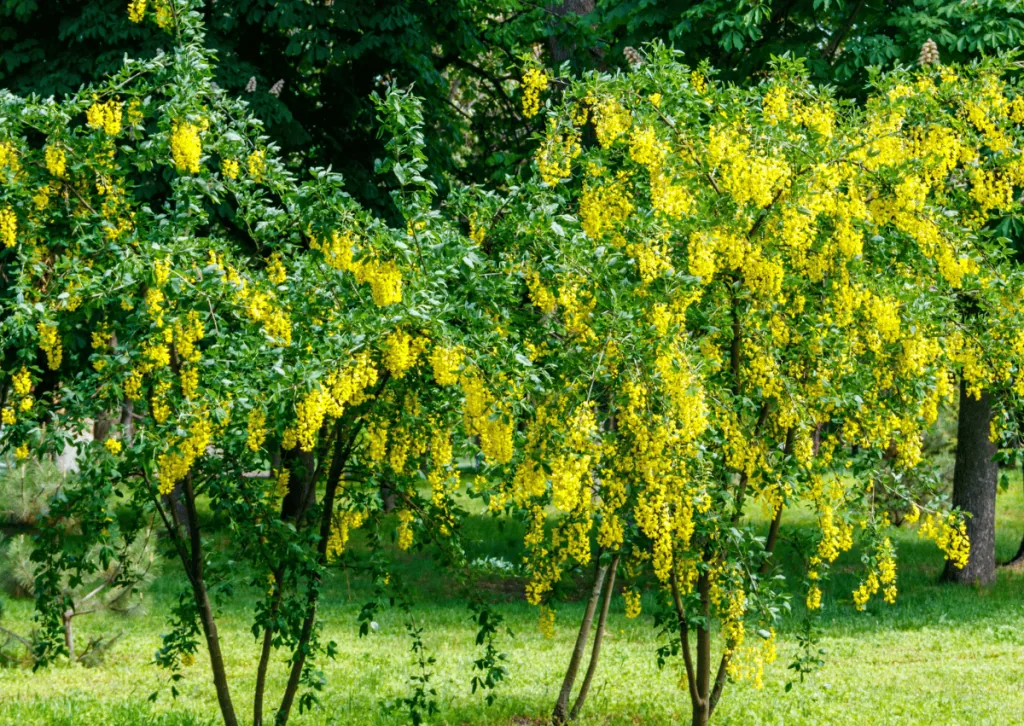
Siberian Pea Shrub (*Caragana arborescens*) is a deciduous shrub or small tree native to Siberia and parts of China and Mongolia. It typically grows between 3 to 5 meters (10 to 15 feet) tall, featuring light green, pinnately compound leaves with multiple small leaflets. In spring, it produces bright yellow, pea-like flowers, which give way to greenish-brown seed pods by early summer. The plant is known for its hardiness, tolerating extreme cold, drought, and poor soil conditions. It thrives in full sun and is adaptable to various soil types, including sandy and loamy soils. Propagation is commonly achieved through seeds, which should be scarified and soaked before planting to enhance germination. Alternatively, softwood cuttings taken in early summer can be used. Prefers full sun exposure and is drought-tolerant once established. Regular watering during the initial growth period helps establish a strong root system. Seed pods mature in mid to late summer. Harvest when pods turn brown and begin to dry; they may split open, so timely collection is essential.
Permaculture Functions
- Edible: Caragana arborescens seeds cook like small lentils after a soak and boil -- bitterness varies by accession; trial a cup before you commit a winter soup pot and keep raw seed away from children because of mild cyanogenic potential in some lines.
- Nitrogen Fixer: Yellow papilionaceous flowers mark active rhizobia nodules on roots that survive -40°F (-40°C) winters -- chop-and-drop prunings in place under young apples where you need cold-hardy N without alfalfa irrigation demand.
- Windbreaker: Tight twiggy growth to fifteen feet breaks prairie wind across zone 3 berry plantings -- plant a staggered double row if your site sees steady 30 mph (48 km/h) winter gusts off open fields.
- Erosion Control: Fibrous roots grab road ditch spoil and new-build berms where topsoil was thin -- pair with mulch for the first two summers until the canopy closes enough to shade out cheatgrass on the slope face.
- Animal Fodder: Chickens scratch fallen pods in autumn when protein helps molt -- ruminants browse young foliage if you introduce volume slowly; heavy monogastric pod gorging can still cause digestive upset on naive stomachs.
Companion Planting
No companion data yet.
Also mentioned as companions:
- Pear
- Plum
- Apple
Not yet profiled in PermiePortal
- None known
Threats & Pressure
- Aphids
- Banded Cucumber Beetle
- Bean Aphid
- Bean Leaf Beetle
- Bean Weevil
- Corn Earworm
- Cowpea Curculio
- Fall Armyworm
- Kudzu Bug
- Locust Borer
- Locust Leaf Miner
- Lubber Grasshopper
- Pea Moth
- Pea Weevil
- Reniform Nematode
- Root Aphid
- Soybean Looper
- Spittlebugs
- Stink Bug
- Striped Cucumber Beetle
- Spotted Cucumber Beetle
- Brown Marmorated Stink Bug
- Harlequin Ladybird
- Velvetbean Caterpillar