About
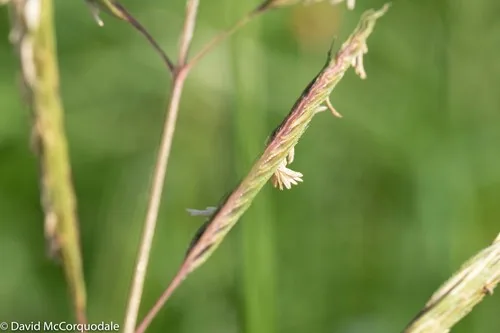
Sand cordgrass (Spartina bakeri) is a clumping perennial grass of freshwater and brackish wetlands in the southeastern United States, forming dense tussocks with narrow leaves and airy flowering panicles on stems often 3–5 feet (0.9–1.5 m). It roots in sandy, saturated soils along pond margins and swales, stabilizing banks where coarse texture meets seasonal water. Use it in constructed wetlands and shoreline buffers where local regulations approve the species. Full sun for strongest growth; shade reduces tiller density. Moist to wet soils with sand or sandy peat match native sites; tolerates short dry downs between rains once established but not xeric berms. Avoid planting where Spartina species are restricted—verify coastal and wetland rules. Divide large clumps during cool, moist weather; keep roots wet until replanted. Sow seed following wetland nursery protocols. Cut back dead material in late winter to renew appearance. Primarily functional—cut stems sparingly for mulch if permits and ecology allow. Leave standing growth for wildlife cover through winter. Peak biomass tracks warm wet months.
Permaculture Functions
- Erosion Control: Spartina bakeri tussocks knit saturated sandy peat along pond lips and biofilter cells -- where wavelets undercut bare soil.
- Wildlife Attractor: Dense upright blades hide frogs and juvenile fish -- wading birds stalk the shallow margins through warm wet months as a result.
- Water Retention: Fibrous roots and trapped fines raise micro-berms so storm pulses spread instead of slicing new channels -- across sandy swales.
- Biomass: Dead culms fold into anaerobic muck to build organic lift -- when cuts stay modest and permits match local wetland rules.
Companion Planting
- Regulatory lists for Spartina vary—permits beat optimism in coastal plantings
- Dry upland beds — chlorosis and decline without honest moisture
Threats & Pressure