About
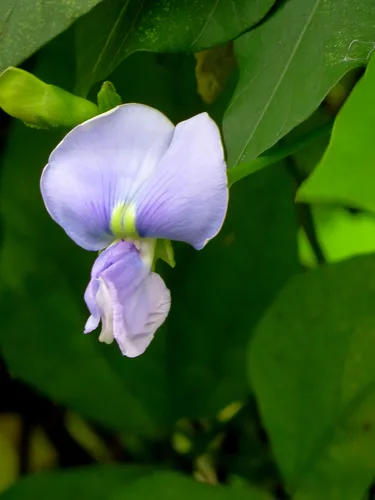
Winged bean (Psophocarpus tetragonolobus) is a tropical legume vine grown for ridged pods, edible leaves and flowers, and—on short-day landraces—tubers, earning its reputation as a multi-harvest crop for humid subtropical to tropical systems with long warm seasons. Vines need sturdy trellising and rhizobia inoculation appropriate to cowpea-type groups for reliable nitrogen fixation. It is a heat-loving species that sulks below roughly 50°F (10°C) and rewards growers who plan vertical space before planting. Full sun for reliable flowering and pod set. Rich, well-drained soil with steady moisture during rapid vine elongation; ease back on water when nights cool. Mulch roots to buffer soil temperature; avoid waterlogged clay that rots crowns. Sow seeds warm after frost risk, inoculated with compatible rhizobia. Some short-day types produce harvestable tubers—verify your seed line before expecting underground yields. Tip cuttings can root in humid shade for clonal trials on known high-performing plants. Pick pods young and crisp for snap use; harvest tender shoot tips and flowers where your cuisine uses them. For tuber types, dig after tops senesce when local practice recommends. Expect the longest production window in climates with extended heat above 70°F (21°C).
Permaculture Functions
- Edible: Psophocarpus tetragonolobus winged pods snap when young -- leaves, flowers, and short-day tubers extend harvest on one trellis if your seed line is tuber-forming.
- Nitrogen Fixer: Inoculate with cowpea-group rhizobia -- nodules cluster on nodal roots; rotate with heavy feeders after vine removal.
- Ground Cover: Triple-compound leaves laminate trellis shade -- soil stays cool under humid tropical heat.
- Animal Fodder: High-protein vines graze after sun-wilting in Asian trials -- match oxalate and trypsin inhibitor handling to species.
Companion Planting
Also mentioned as companions:
- Corn
Not yet profiled in PermiePortal
- Cold soil sowing — seed rots or sits idle until heat arrives
- Deep shade — lanky growth with few pods despite impressive vine ego
Threats & Pressure
- Aphids
- Banded Cucumber Beetle
- Bean Aphid
- Bean Leaf Beetle
- Bean Weevil
- Corn Earworm
- Cowpea Curculio
- Fall Armyworm
- Kudzu Bug
- Locust Borer
- Locust Leaf Miner
- Lubber Grasshopper
- Pea Moth
- Pea Weevil
- Reniform Nematode
- Root Aphid
- Soybean Looper
- Spittlebugs
- Stink Bug
- Striped Cucumber Beetle
- Whiteflies
- Spotted Cucumber Beetle
- Brown Marmorated Stink Bug
- Harlequin Ladybird
- Velvetbean Caterpillar