About
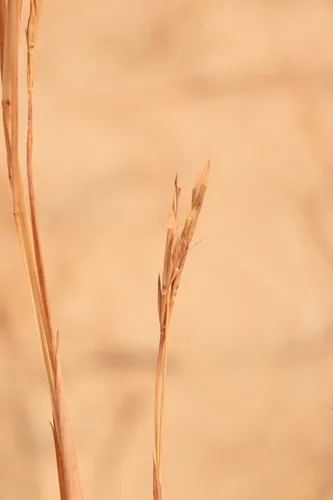
Sand bluestem (Andropogon hallii) is a warm-season bunchgrass of central North American sandhills and dry prairies, with blue-green summer foliage turning copper in fall and airy seed heads on stems often 3–5 feet (0.9–1.5 m). Deep roots exploit sandy soils where shallow-rooted competitors bake. It is a core species for restoration, erosion control on coarse slopes, and ornamental meadows that refuse irrigation guilt. Full sun for upright stems and full inflorescences; shade reduces vigor. Well-drained sandy to loamy soils are ideal; tolerates drought and lean fertility once established. Avoid wet clay that rots crowns; water only to establish. Sow seed in warm soil after frost risk; lightly cover. Divide mature bunches carefully in spring if needed. Cut back old growth in late winter to clear space for new tillers. Cut seed stems for arrangements when color peaks; leave standing material for wildlife through winter if aesthetics allow. Peak growth tracks heat and summer rainfall patterns.
Permaculture Functions
- Erosion Control: Andropogon hallii sends roots deep into loose sand so bunch crowns lock dune toes and terrace cuts -- where shallow annuals wash out after one thunder cell.
- Wildlife Attractor: Late-season airy seed heads feed songbirds -- while stiff stems shelter overwintering insects in reconstructed prairie mixes.
- Biomass: Copper-colored standing stems chop into coarse mulch that feeds fungal chains on carbon-poor coastal sands -- when timed after seed drop.
- Ornamental: Blue-green summer foliage flips copper in cool nights -- before florists harvest stems for upright texture in dry meadow designs.
Companion Planting
- Wet clay — rot and replacement shopping
- Rich irrigation — lanky growth with fewer copper fireworks
Threats & Pressure