About
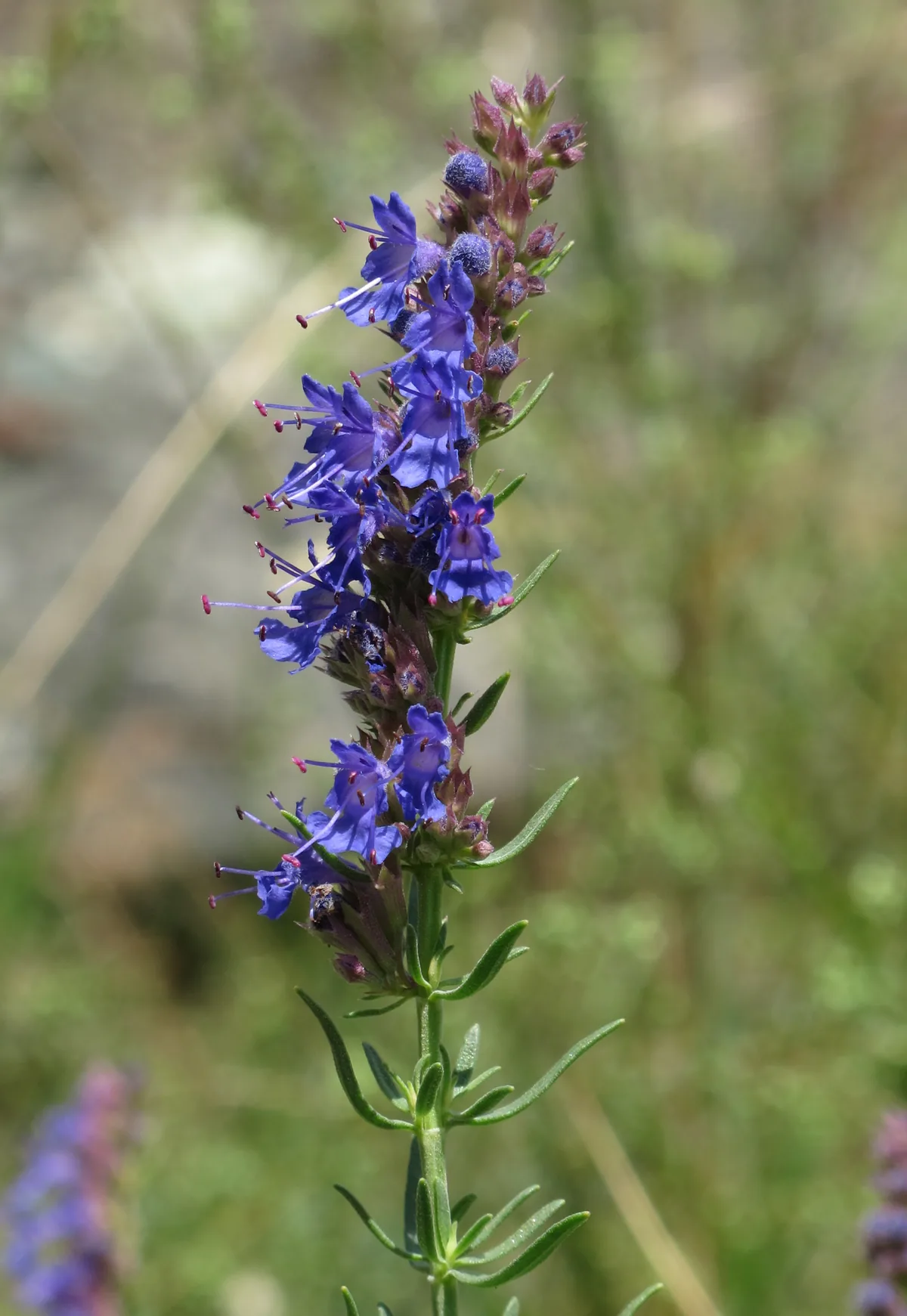
True hyssop is a compact, semi-woody mint relative bearing narrow aromatic leaves and spikes of blue, pink, or white tubular flowers. Mature plants form tidy 1–3 foot mounds with stiff upright stems, reading like a formal herb shrub rather than a mint runner. In subtropical and tropical Americas treat hyssop as a short-lived perennial or renewal crop in humid heat—give perfect drainage, full sun, and air space to limit root rots during wet season. Puerto Rico’s drier season matches its Mediterranean comfort zone better than soggy flats. Full sun for dense growth and richest essential oils. Lean, well-drained soil; lime or grit helps where rains are heavy. Water deeply then allow dry-down; avoid misting foliage in muggy weather. Seeds surface-sown in spring; light aids germination—do not bury deeply. Softwood cuttings in late spring; dip and root under humidity dome. Semi-hardwood cuttings in early summer for stock plants in frost-free cycles. Snip leafy stems before full bloom for culinary and tea use; flavor is bold—use sparingly. Harvest flowering tops for drying when half the spike has opened for bee forage balance and aroma peak.
Permaculture Functions
- Edible: Hyssopus officinalis flowers and young leaves carry high pinocamphone and isopinocamphone oils that read as intense mint-sage in syrups, amari, and fatty meats -- use half the volume you would with mint or the pot reads medicinal in the wrong way.
- Medicinal: European monographs cite upper parts for upper respiratory catarrh as tea or tincture -- convulsant risk at high essential-oil dose means pregnancy, epilepsy, and pediatric limits are not negotiable footnotes.
- Pollinator: Blue, pink, or white two-lipped tubes line stiff eighteen-inch (45 cm) spikes through summer -- feeding bumblebees and swallowtail butterflies on kitchen-garden paths where shallow-rooted annuals cannot survive foot traffic.
- Ornamental: Tight mounds stay under three feet (0.9 m) in Mediterranean drainage, reading as formal knot-garden punctuation -- winter-kill in humid subtropics turns it into a renewal crop you replant from rooted cuttings each wet season.
Threats & Pressure