About
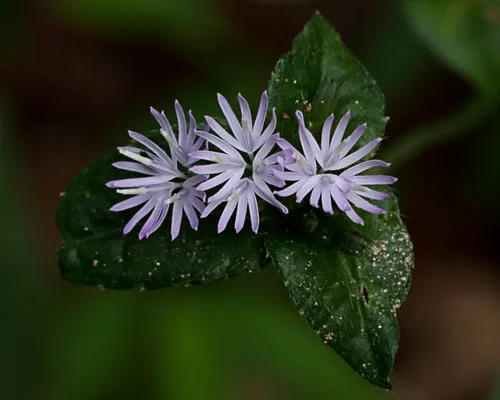
Elephantopus (Elephantopus tomentosus) is a basal-rosette perennial in the daisy family, named for the broad, rough leaves that sit close to the ground while slender flowering stalks lift small heads of disk florets. It inhabits pinelands, savannas, and open sandy woods across the southeastern United States and into the Caribbean, often in communities adapted to sun, drought, and periodic fire. Traditional herbal use appears in regional materia medica—treat any internal use as a legal and medical homework assignment, not a blog endorsement. Ecologically, it is a quiet ground-layer companion for warm-climate polycultures that value natives over exotic filler. Full sun to light shade; best rosettes in high light. Tolerates droughty, sandy, low-fertility soils; declines in shade competition with aggressive turf. Avoid overwatering—basal rosettes rot in soggy thatch. Hardy through typical subtropical winter chills; foliage may freeze back near 25°F (-4°C) on exposed sites. Seed: sow warm; germination can be slow and irregular. Division: split rosettes with crowns intact during the wet season for quick establishment. If collecting for herbal trials, harvest leaves from clean sites away from roadsides and spray drift, and dry with airflow. For habitat, leave seed heads for finches and late-season insects.
Permaculture Functions
- Medicinal: Elephantopus tomentosus basal leaves entered southeastern folk poultices for stings -- internal use demands positive ID because many hairy asters mimic rosettes before flowering and legal status varies county to county.
- Wildlife Attractor: Small lavender disk heads feed sweat bees -- while hooked achenes hitchhike on songbird feathers through pine savanna openings where fire-return timing sets bloom density.
- Mulcher: Rough rosette leaves senesce into thin humus mats that keep Carolina sand from bare-crusting -- between wiregrass tussocks on droughty flatwoods edges.
- Ground Cover: Low crowns thread between bunchgrass bases without forming solid turf blankets -- so Indiangrass rows still move wind and light the way savanna designers intend.
Companion Planting
Also mentioned as companions:
- Bluestem
- Liatris
Not yet profiled in PermiePortal
- Internal medicinal use without positive identification and professional guidance risks liver-level regret—many asters look alike to beginners
Threats & Pressure