About
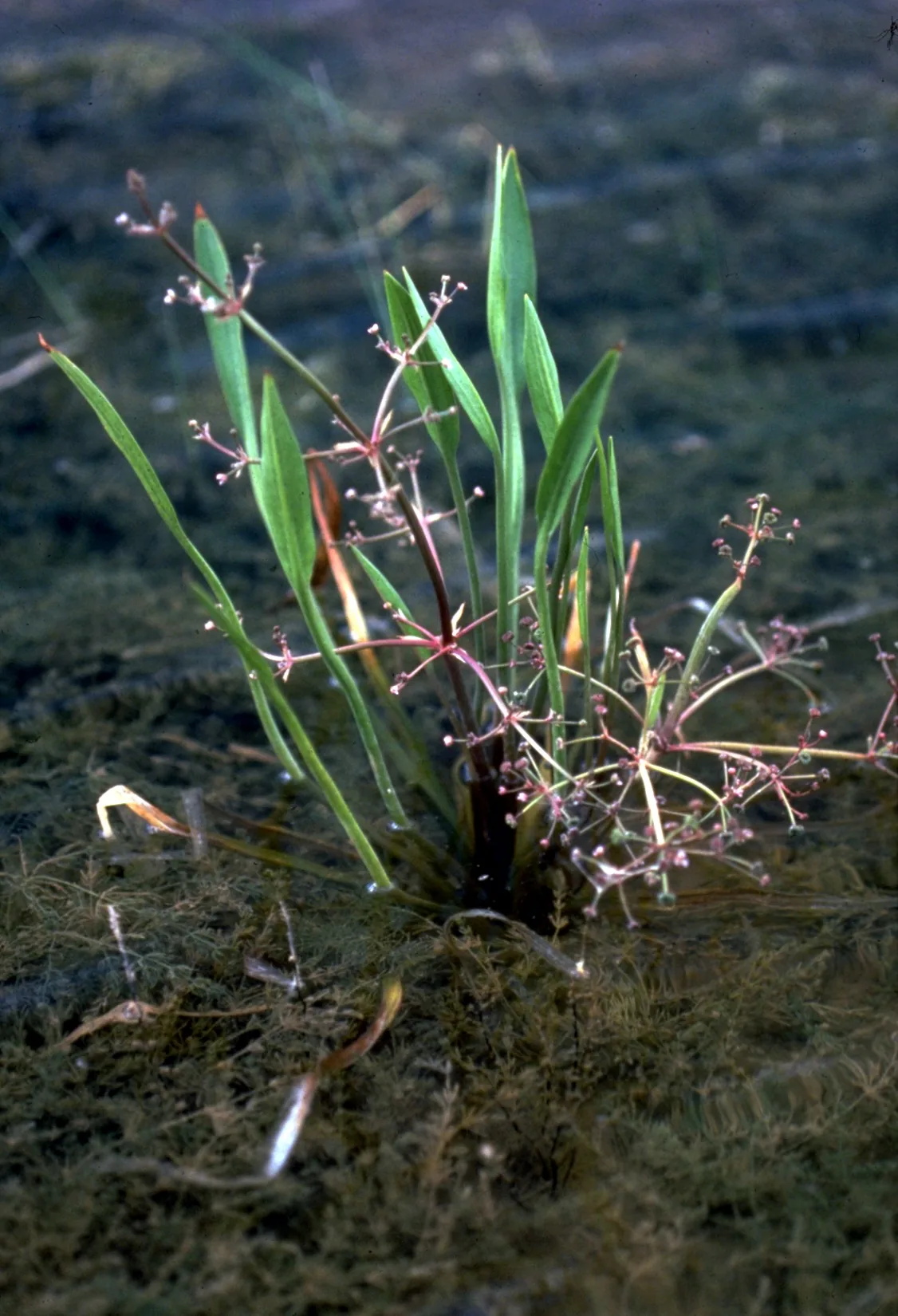
American water-plantain (Alisma subcordatum) is a native emergent herb of shallow water, wet ditches, and pond margins. Leaves rise on long petioles from the crown; summer brings airy panicles of small white to pinkish flowers that pull in pollinators. Some Indigenous traditions used related Alisma species for food or medicine — always verify local species and safe preparation before eating wild plants. In a subtropical and tropical Americas food forest, tuck it in the shallow littoral zone with other natives; it stabilizes muck and gives cover for small wetland critters. Full sun to part shade. Constant wet soil or a few inches of standing water; not a drought plant. Soft, silty or muddy bottoms are ideal. Division of clumps in early spring. Seed: surface-sow on wet mud; needs moisture through germination. Harvest Water Plantain in warm active growth when leaves or shoots look crisp, before yellow water-stress marches in. Morning picks ship better than wilted afternoon drama -- rinse grit in clean water, not pond soup. Use quickly or blanch and freeze; aquatic tissues turn slimy faster than upland herbs in plastic bags.
Permaculture Functions
- Edible: Alisma subcordatum has limited modern table use -- some Indigenous references cite related Alisma species after careful prep; treat this native primarily as habitat, not lunch, until you complete ethics and ID homework.
- Wildlife Attractor: Airy panicles of white-pink flowers attract small bees and beetles -- emergent leaves give cover for tadpoles and micro predators along pond shoulders.
- Erosion Control: Fibrous crowns anchor mucky margins against wave chop -- plant in a few inches of water or saturated silt to replace bare mud.
- Border Plant: Long petioles lift leaves like mini hostas at the waterline -- softens the visual jump from spatterdock to upland forbs.
Companion Planting