About
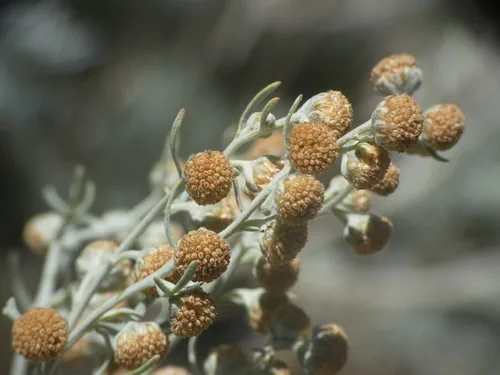
This entry keys on sweet Annie—an annual artemisia that smells like camphor candy and self-sows like it pays rent in seeds. Feathery leaves, tiny cream flowers, legendary medicinal chemistry that launched modern antimalarial research (not a DIY prescription—respect the plant and the pharmacology). In subtropical and tropical Americas it completes a fast cycle in warm seasons; humid summers can bring foliar funk without airflow. Full sun for aromatic oils and sturdy stems. Well-drained, average fertility; drought-tolerant once established—wet clay rots crowns. Seeds: surface sow; tiny seeds need light and steady moisture. Self-sows; thin volunteers unless you want a monoculture perfume riot. Harvest leafy tops before full bloom for traditional drying—timing affects chemistry; use vetted guides.
Permaculture Functions
- Medicinal: Artemisia annua leafy tops harvested just before full bloom carry artemisinin-related sesquiterpenes that launched modern antimalarial research -- extraction chemistry is industrial-scale serious, not backyard tea cosplay.
- Pest Management: Camphor-sweet foliage confuses some herbivorous insects when interplanted with brassicas in small trials -- humidity and wind dilute scent plumes, so treat data as site-specific.
- Wildlife Attractor: Inconspicuous cream flowers still feed small bees and parasitoid wasps late season when showy composites fade -- avoid broad-spectrum sprays through bloom if you want that traffic.
- Border Plant: Tall airy golden stems smell like resin candy along cottage borders -- self-sows freely in warm disturbed soil, so deadhead if volunteers exceed the medicinal row width you signed up for.
Companion Planting
Threats & Pressure