About
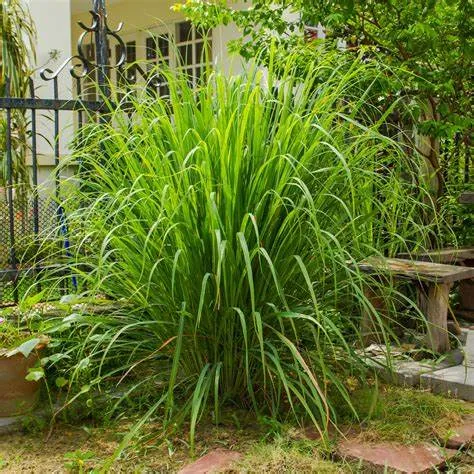
Lemongrass (Cymbopogon citratus) is a tall, clumping grass that can grow up to 1.2–1.8 meters (4–6 feet) tall. It has long, narrow, green leaves with a strong lemony scent due to its high citral content. It is commonly used in cooking, herbal medicine, and essential oil production. The plant thrives in tropical and subtropical climates, requiring warm temperatures and moist but well-drained soil. It is a fast-growing grass that can be used as a natural pest repellent and soil stabilizer in permaculture systems. Requires full sun for optimal growth. Prefers well-drained, loamy or sandy soil with regular watering. Drought-tolerant once established but benefits from occasional deep watering. Seeds: Not commonly used, as germination is slow and unreliable. Division: The most effective method; divide clumps and replant in early spring. Cuttings: Root stems in water or moist soil for propagation. Harvest stalks when they reach about 30 cm (12 inches) in height for best flavor. Cut stalks at the base, leaving the plant to continue growing. Leaves can also be harvested and dried for teas and herbal remedies.
Permaculture Functions
- Edible: Lower white leaf bases are sliced into curries, broths, -- and tea; citral-rich oil from steam distillation of leaves is the same aroma compound sold as lemongrass essential oil for kitchen use.
- Medicinal: Leaf tea is traditional for fever and digestive upset in Southeast Asian households -- high citral can irritate sensitive skin; patch-test topical blends and avoid heavy medicinal doses in pregnancy without guidance.
- Wildlife Attractor: Open grass inflorescences feed small native bees -- and parasitic wasps in late season when many showy garden flowers have finished.
- Dynamic Accumulator: Fast clumping growth takes up potassium -- and nitrogen from composted manure dressings and returns them in leaf sheaths when cut for mulch.
- Erosion Control: Fibrous roots knit pond margins, swale toes, -- and damp pathways where barefoot traffic would otherwise polish soil bare.
- Animal Fodder: Wilted leaves extend green chop for cattle -- and goats in the wet tropics; aroma limits palatability until animals learn the taste in mixed ration.
- Border Plant: Tight linear clumps mark beds beside ginger -- and turmeric while staying low enough not to shade those crops if placed on the sunward edge.
- Pest Management: Crushed leaves rubbed on skin confuse biting flies for an hour or two -- citronella-type scent also masks host odor when tucked around outdoor seating areas.
- Water Purification: Dense roots and saturated-zone growth are used in vegetated filter strips -- and gravel reed beds to slow runoff and trap nutrients before water leaves the property.
Field Observations
- No field observations yet
Threats & Pressure