About
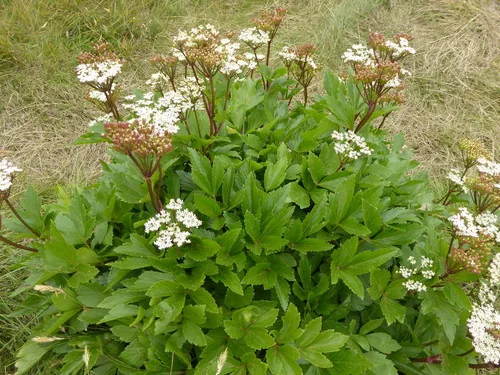
Lovage is celery's loud cousin — tall perennial clumps, glossy leaves, and a flavor that is soup stock incarnate. Every part is usable in the kitchen if you like intensity. It pumps biomass for chop-and-drop and pulls minerals from deep soil like other deep-rooted Apiaceae. subtropical and tropical Americas: afternoon shade and mulch keep it from looking fried in August; it will still grow in winter cool snaps that make true celery pout. Sun to part shade. Rich, moist, well-drained soil; tolerates clay if not waterlogged. Regular water in heat. Division in spring or fall. Seed sown fresh or in cool weather; germination can be slow. Snip tender Lovage growth in cool mornings for best texture -- heat-stressed leaves taste like their day job. Flowers at full color for peak volatiles; seeds when pods rattle but before they self-sow across paths. Dry herbs in thin layers; deep piles steam themselves into compost.
Permaculture Functions
- Edible: Levisticum officinale leaves and hollow stems carry intense celery-anise flavor for stocks, salads, and seeds that pickle like sharp fennel -- use a light hand because potency beats polite herbs by an order of magnitude.
- Medicinal: Roots and seeds enter European tradition for urinary and digestive bitters -- modern tinctures still use low doses; check Apiaceae allergy cross-reactivity before you hero-dose.
- Pollinator: Flat white umbels in late spring feed parasitoid wasps, syrphid flies, and small bees when many annuals are still small -- leave some umbels to seed if beneficial insect housing matters.
- Wildlife Attractor: Predatory insects patrol the tall flower platform hunting smaller nectar seekers -- good insectary backbone behind lower crops if you accept self-sowing seedlings along paths.
- Border Plant: Six-foot glossy clumps anchor the back edge of herb beds -- site upwind because crushed leaves perfume the whole patio on hot afternoons.
- Dynamic Accumulator: Deep taproots pull minerals into leaf biomass you chop-and-drop around heavy feeders -- pair with comfrey timing so mulch layers alternate carbon profiles.
Threats & Pressure