About
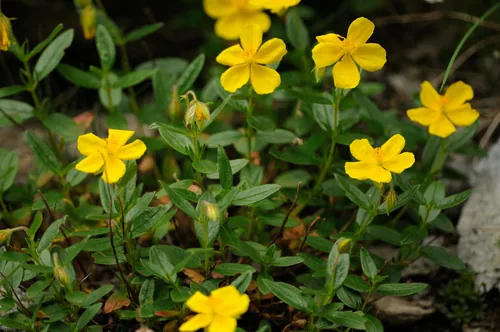
Sunrose (Helianthemum nummularium) is a low, wiry evergreen subshrub that carpets lean ground with gray-green leaves and short-lived saucer flowers in yellow, orange, or white—each bloom lasts a day, but the plant pumps more like a confetti machine. Mature mats run about 6–12 inches tall and spread 12–24 inches unless you shear them into submission. subtropical and tropical Americas: Think “rocky Mediterranean mood,” not “August parking lot.” In Florida’s humid subtropical summers it needs sharp drainage, air movement, and lean soil; wet roots rot faster than optimism. Puerto Rico’s wet season is brutal without grit and slope—treat as a container pet on a breezy patio or skip to native sun-loving groundcovers that do not sulk in monsoon humidity. Full sun for maximum bloom; half-day sun only if heat is savage and soil drains like a colander. Drought-tolerant once established; water deeply but rarely—never let pots sit in saucers of soup. Semi-hardwood cuttings in late summer; use free-draining mix and gentle bottom heat if you are fancy. Sow seed in spring after last frost risk; do not bury deeply—light helps germination in many cistaceous species. Ornamental use: shear lightly after main flush to tidy and encourage another wave of flowers. No meaningful edible harvest—this is for bees, eyes, and ego, not the stew pot.
Permaculture Functions
- Ornamental: Helianthemum nummularium brass-yellow saucers hover over silver needles -- that hug stone berms without irrigation guilt.
- Pollinator: Brief morning blooms still load pollen onto halictids -- when you plant drift patches wide enough for bee navigation.
- Ground Cover: Woody mats crawl through sharp drainage cracks -- where thyme dies from winter wet.
Companion Planting