About
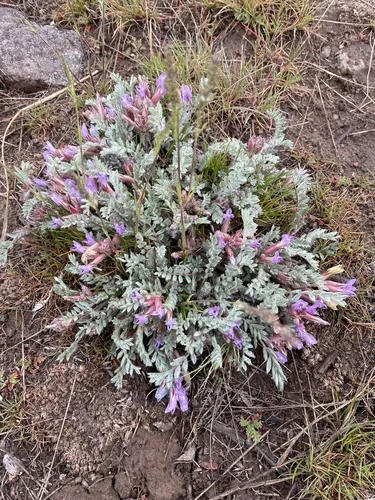
Milk vetch (Astragalus canadensis) is a long-lived leguminous perennial of prairies and open woodland edges, bearing pinnate gray-green leaves and upright spikes of cream to pale yellow pea-flowers followed by inflated pods. Mature plants often reach 2–3 feet tall with a deep taproot and rhizomatous spread in favorable sites—classic “fix nitrogen first, ask questions later” energy. subtropical and tropical Americas: Outside its core range it is a specialty plant; humid heat and poorly drained clay can invite root grief. If trialed, give full sun, sharp drainage on a slope or berm, and accept that it may sulk where tropical legumes would party. Full sun for honest flowering and nodulation; shade reduces vigor and rhizobia paychecks. Medium to dry-mesic, well-drained soil once established; young plants need steady moisture to install their taproot elevator. Scarify seed (file or hot water soak) and direct-sow in late fall or early spring; inoculate with appropriate rhizobia if your soil is rhizobia-poor. Division of mature crowns is possible but slower than seed; take pieces with buds in cool, wet weather. For fodder or mulch, cut before full seed set if you want to limit spread; pods are ornamental but self-sowing can get chatty. Seed harvest when pods rattle but before explosive dehiscence turns your shirt into a seed bank.
Permaculture Functions
- Nitrogen Fixer: Astragalus canadensis pairs with rhizobia nodules to bank atmospheric nitrogen into prairie soils -- inoculate seed if local rhizobia banks look empty.
- Wildlife Attractor: Cream spikes feed native bees while inflated pods feed finches that pry seeds loose -- cut before explosive dehiscence if you dislike shirt-seed banks.
- Pollinator: Papilionaceous flowers trip long-legged bees efficiently -- plant drifts because prairie pollinators search for patch volume, not lonely stems.
- Animal Fodder: Palatability swings with strain and stage -- confirm local Astragalus toxicity lore before turning livestock into unreviewed browse trials.
Threats & Pressure
- Aphids
- Banded Cucumber Beetle
- Bean Aphid
- Bean Leaf Beetle
- Bean Weevil
- Corn Earworm
- Cowpea Curculio
- Fall Armyworm
- Kudzu Bug
- Locust Borer
- Locust Leaf Miner
- Lubber Grasshopper
- Pea Moth
- Pea Weevil
- Reniform Nematode
- Root Aphid
- Rootknot Nematodes
- Soybean Looper
- Spittlebugs
- Stink Bug
- Striped Cucumber Beetle
- Spotted Cucumber Beetle
- Brown Marmorated Stink Bug
- Harlequin Ladybird
- Velvetbean Caterpillar