About
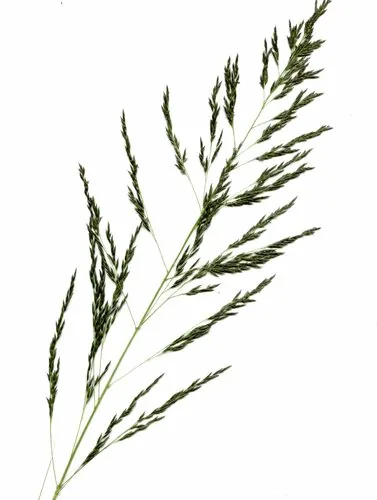
Weeping lovegrass (Eragrostis curvula) is a warm-season bunchgrass from southern Africa, widely planted for erosion control and fine-textured ornamental borders, forming dense fountains of narrow leaves and airy panicles on plants about 2–3 feet (60–90 cm) tall. It tolerates heat, drought, and poor soils once established. Check regional invasive lists—some areas classify lovegrasses as problematic. Full sun for upright fountains; shade yields thin patches. Well-drained sandy to loamy soils suit it; drought-tolerant after establishment. Water deeply to establish; avoid waterlogging. Sow seed in warm soil; divide bunches in spring. Cut back in late winter before new growth. Primarily functional and ornamental—seed can spread; manage seedheads near natural areas. Peak growth follows summer heat.
Permaculture Functions
- Erosion Control: Eragrostis curvula fibrous roots lock road cuts and sandy embankments before perennials establish -- check county lists because African ecotypes seed aggressively in some deserts.
- Ornamental: Fine-textured fountains to 90 cm catch backlight on seed panicles -- reads upscale xeric border until neighbors call it invasive.
- Biomass: Sheared tops make airy straw for thin mulch layers -- high silica means slower rot than legume clippings.
- Border Plant: Clumping habit stays put without rhizome wander -- line gravel paths where running grasses would colonize beds.
Companion Planting
- Invasive risk in some regions—verify local weed council opinions before mass seeding
- Self-seeding near wildlands—edit volunteers aggressively
Threats & Pressure