About
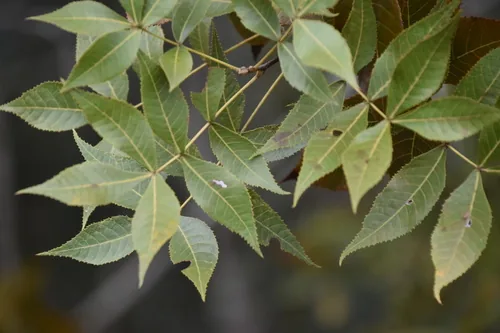
Scrub hickory (Carya floridana) is a shrubby to small-tree hickory endemic to dry sandy scrub in Florida and adjacent southeastern coastal plain. Compound leaves are smaller than typical shagbarks; nuts are small and hard-shelled but valuable to wildlife. It is a signature mast plant for scrub restoration and xeric food forests where tall forest hickories never signed the lease. Full sun; shade weakens form and reduces nut set. Drought tolerant; deep sandy soils with seasonal rain match its ecology. Extremely well-drained acidic sand; intolerant of prolonged wet feet. Seeds: plant nuts fresh in autumn; protect from squirrels with wire cages. Taproot seedlings transplant poorly—use deep pots or direct-sow on site. Minimal pruning except hazard deadwood; slow growth rewards patience. Collect nuts after natural drop when husks split; kernel yield is modest. For wildlife, leave the majority on the ground. Wear eye protection when cracking small hickory nuts—shells are stubborn.
Permaculture Functions
- Edible: Carya floridana nuts stay tiny with concrete shells yet sweet kernels reward serious crackers after husks split -- on sand pine litter.
- Wildlife Attractor: Fox squirrels and scrub jays cache mast -- while caterpillars of specialist moths chew compound leaflets few temperate ecologists catalog.
- Windbreaker: Twisted multi-stem crowns blunt steady coastal-plain winds across citrus edges and scrub restoration plots -- without shading ground layers like tall pecans.
- Shade Provider: Wide-spreading scrubby limbs cast patchy noon shade for palmettos, lyonia, and humans resting -- between planting waves.
Companion Planting
Threats & Pressure