About
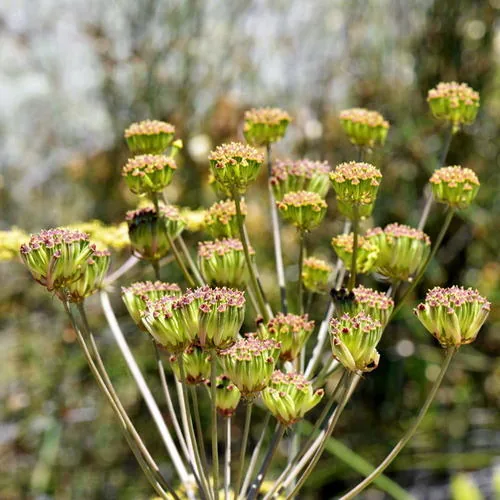
Aniseroot is a native eastern woodland perennial with soft, divided leaves and tiny white flowers — roots and early foliage carry a sweet anise note that made it a forager's spice cabinet long before big-box seeds. In subtropical and tropical Americas it fits shaded edges, food forest understory, and moist rich pockets where summer sun would cook true alpine herbs. Respect look-alikes: if you are not solid on ID, admire with your eyes and buy your spices from someone boring. Part shade to shade; eastern light or high canopy dapple works. Consistent moisture; mimics bottomland and rich woods. Leaf mulch and organic soil beat bare baked clay. Seed: needs cold-moist stratification or winter sowing; patience required. Division: split dormant crowns in cool weather. Snip tender Wild Anise growth in cool mornings for best texture -- heat-stressed leaves taste like their day job. Flowers at full color for peak volatiles; seeds when pods rattle but before they self-sow across paths. Dry herbs in thin layers; deep piles steam themselves into compost.
Permaculture Functions
- Edible: Osmorhiza longistylis roots smell sweet-anise when scratched -- chop young leaves into salads sparingly; Apiaceae ID errors kill people, so voucher specimens first.
- Medicinal: Anise-scented roots entered settler carminative teas -- potency is mild; overlap with toxic look-alikes keeps modern use mostly culinary.
- Pollinator: Tiny white umbels open before canopy leaf-out -- early syrphids and mini solitary bees work the shade niche.
- Wildlife Attractor: Seeds stick to fur; foliage feeds swallowtail larvae where ranges overlap -- plant drifts so insects find you.
Companion Planting
Threats & Pressure