About
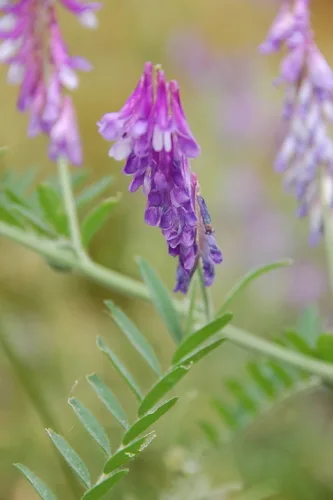
Hairy vetch (Vicia villosa) is a fast-growing legume cover crop known for its ability to fix nitrogen and for its ability to cover bare ground quickly. It forms a spreading, trailing mat of vines and feathery leaves, often reaching about 30–90 cm (12–35 in) long during cover-crop growth. In permaculture, it matters because it converts otherwise idle winter soil into living soil armor: it shades the ground, suppresses weeds, and turns into nitrogen-rich mulch for the next planting. Full sun; growth slows in heavy shade. Moderate water helps germination and establishment; once rooted, it tolerates typical cool-season rainfall. Prefers well-drained soil with decent fertility; it does best when soil biology is active. Avoid long waterlogged periods that reduce legume vigor. Seeds (fall sow): direct-seed in early autumn for winter cover; germination often starts within 5–10 days with consistent moisture. Seeds (spring sow): works in milder periods, but you usually lose time and cover quality to heat. Optional: inoculate seed with rhizobium (where appropriate) to improve nitrogen-fixation performance. Cut or mow when plants are actively growing and before seed pods mature. Leave residues on the surface as chop-and-drop mulch; for beds, you can crimp/lay down cover instead of deep turning. If you let it seed, expect future volunteer growth—manage it or remove as needed.
Permaculture Functions
- Nitrogen Fixer: Vicia villosa fixes the bulk of its N while vines climb rye or oat scaffolding in late winter -- terminate at early bloom before stems lignify or residue ties up nitrogen needed by the following sweet corn.
- Mulcher: Hairy stems and tendrils mat into a weed-suppressing blanket four to six inches thick after roller-crimping -- that layer holds moisture for transplanted nightshades while earthworms pull pieces down within weeks in warm soil.
- Ground Cover: Winter-hardy growth closes alleys between summer-killed beds before chickweed seeds germinate -- spring regrowth after light frost still covers soil until you are ready to plant heat-loving crops.
Companion Planting