About
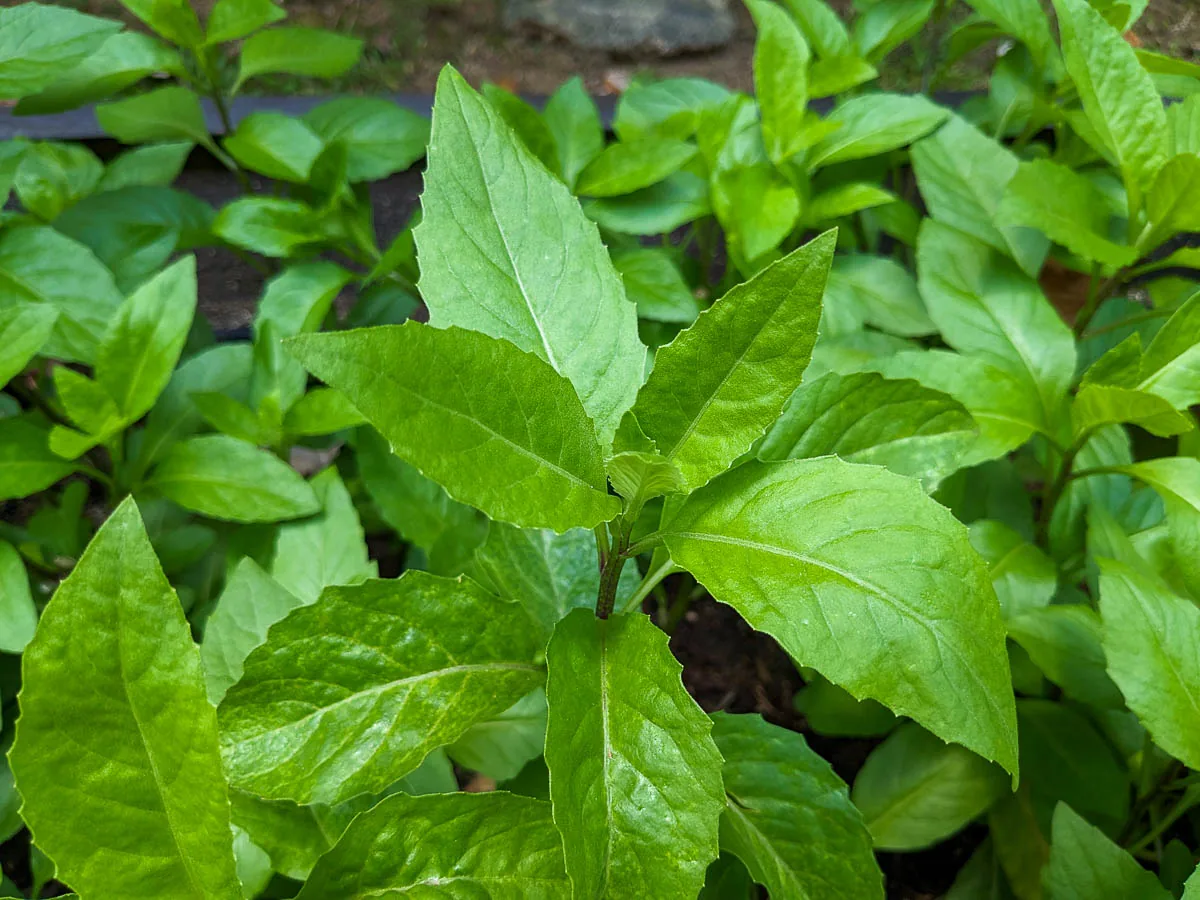
Longevity Spinach (Gynura procumbens) is a fast-growing, vining perennial green with highly nutritious, tender leaves. Native to Southeast Asia, it is commonly used in traditional medicine and as a food source due to its high antioxidant content and reported health benefits. The plant spreads vigorously, making it excellent for ground cover in warm climates. It thrives in a variety of soil conditions but prefers rich, well-drained soil. It is highly adaptable and can be grown in containers, raised beds, or directly in the ground. Prefers partial shade to full sun. Thrives in warm, humid conditions but can tolerate drier environments with sufficient watering. Requires well-draining, loamy, or sandy soil; does not tolerate waterlogging. Cuttings: The easiest method; cut stems and root them in water or moist soil. Layering: Allow stems to touch the soil, where they will develop roots naturally. Seeds: Less commonly used as propagation is much faster via cuttings. Leaves can be harvested year-round in warm climates. Regular pruning encourages bushier growth and prevents legginess. Young leaves are preferred for the best texture and flavor.
Permaculture Functions
- Edible: Thick succulent leaves taste mildly spinach-bitter raw and mellow in stir-fry -- harvest tips weekly like basil so stems stay tender; older leaves need longer heat.
- Medicinal: Gynura teas show up in Indonesian and Malaysian practice for blood sugar balance -- if you are on metformin or insulin, track finger sticks when adding daily cups; evidence is folk plus small trials, not gospel.
- Wildlife Attractor: Orange-yellow composite heads feed small bees on warm winter days in zone 10 -- when little else flowers along the frost-free fence line.
- Mulcher: Rampant vines you cut back before they smother turmeric become fast green mulch that heats a compost core -- when mixed with kitchen scraps.
- Dynamic Accumulator: Ash from oven-dried leaves runs higher in potassium than sweet-potato vine from the same bed -- use soak water on heavy-feeding fruiting shrubs, not as sole fertilizer.
- Erosion Control: Stolons root at nodes along terrace faces in humid tropics -- where you need living mulch faster than moss will volunteer.
- Border Plant: Edge the shady side of paths with a contained clump in raised beds -- uncontained plants wander into neighboring yards by underground stolons in wet years.
- Ground Cover: Trailing stems root at nodes and tile moist shaded soil -- suppresses weed germination under bananas and tree crops in humid subtropical guilds.
Companion Planting
- Fennel
Threats & Pressure