About
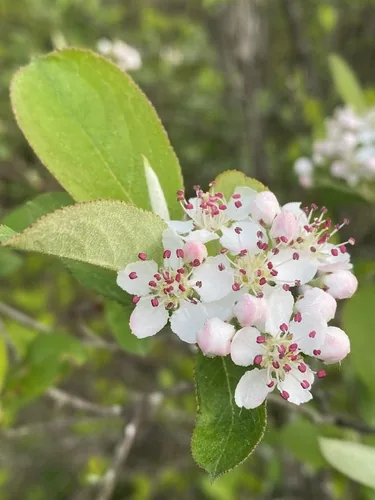
Purple chokeberry (Aronia prunifolia) is a deciduous shrub of eastern North American wetlands and moist thickets, bearing white spring flowers, glossy summer leaves, and dark purple to black astringent berries prized for juices and jellies after processing. Plants typically reach 6–10 feet (1.8–3 m), often suckering into bird-friendly colonies. It belongs in rain-garden backs, hedgerows, and any moist border where native fruit chemistry meets human patience. Full sun to light partial shade; best fruit color in sun with adequate moisture. Prefers moist, acidic, well-drained soils; tolerates seasonal wet feet better than many fruit shrubs. Mulch with organic matter; avoid drought baking on sandy sites without irrigation. Sow stratified seed; suckers transplant in early spring. Softwood cuttings root under humidity. Prune out old canes after several years to renew fruiting wood and reduce crowding. Pick berries when fully dark and slightly soft; process into juice with sugar balance—raw handfuls punish casual tasters. Leave some fruit for birds if hedgerow ethics matter. Peak ripeness follows late warm-season heat, not a single calendar week.
Permaculture Functions
- Edible: Aronia prunifolia dark purple pomes run more astringent than red chokecherry but juice into antioxidant syrups once heat and sugar tame tannins -- steam-extract for clearer jelly than raw-fruit guesswork.
- Wildlife Attractor: White spring clusters feed mason bees; black fruit hangs into winter until repeated freezes soften skins for cedar waxwings -- leave outer clusters if human jelly quotas already met.
- Border Plant: Suckering 2–3 m shrubs screen moist fencelines and rain-garden backs when contained by mowing strips -- tolerates wet feet better than beach plum on the same berm if drainage moves within days, not weeks.
- Ornamental: Glossy summer leaves turn wine-red with bead-string fruit clusters that photograph well against snow -- powdery mildew shows on humid stagnant air; open pruning helps more than panic sprays.
Companion Planting
- Astringent raw fruit — not a kid’s trail snack without processing education
- Suckering — expands into mowed turf if edges are unguarded
Threats & Pressure
- Aphids
- Apple Maggot
- Bagworm
- Blackberry Psyllid
- Cherry Fruit Fly
- Codling Moth
- Cyclamen Mite
- Fall Webworm
- Japanese Beetles
- Lesser Peachtree Borer
- Oriental Fruit Fly
- Oriental Fruit Moth
- Peach Twig Borer
- Peachtree Borer
- Pear Psylla
- Plum Curculio
- Raspberry Beetle
- Raspberry Cane Borer
- Rose Slug
- Sparganothis Fruitworm
- Spittlebugs
- Stink Bug
- Strawberry Root Weevil
- Twig Girdlers
- Vine Weevil
- Gall Mite
- Rust Mite
- Spotted Lanternfly
- Brown Marmorated Stink Bug
- Eastern Tent Caterpillar
- Harlequin Ladybird
- Tent Caterpillar