About
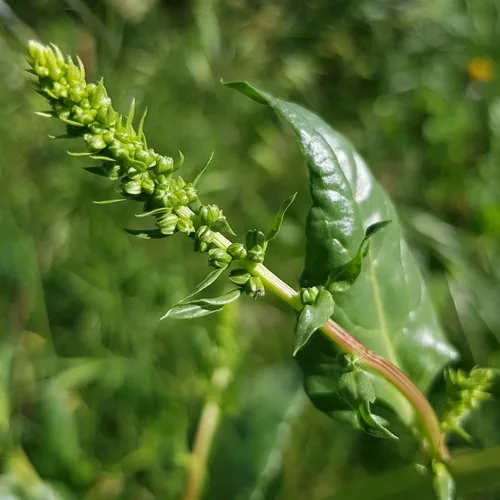
Swiss chard (Beta vulgaris subsp. cicla) is a leafy biennial grown as a perennial-in-use green in mild climates, valued for its colorful stems and nutritious, tender leaves. It is native to the Mediterranean region and has been cultivated for centuries as a kitchen vegetable. Plants typically reach about 30–90 cm (12–35 in) tall depending on harvest style. In permaculture, Swiss chard matters because it keeps producing leaf biomass through cool seasons, shades soil with its canopy, and turns that leafy energy into edible nutrition and compost inputs. Full sun to partial shade; partial shade reduces bolting and bitterness in warmer periods. Keep soil consistently moist; drying triggers tougher leaves and faster flowering. Prefers fertile, well-drained soil with compost. Avoid waterlogged beds; root issues reduce leaf output. Seeds: direct-sow in cool weather; germination often occurs in 7–14 days. Thin seedlings early so leaves have room to expand. Succession sow: repeat every 1–2 weeks to spread harvest and prevent “one day everything is done.” Harvest outer leaves as needed; cut near the base so the crown keeps pushing new growth. For tender leaves, harvest young and frequently. Store in the fridge and use promptly for best texture.
Permaculture Functions
- Edible: Beta vulgaris subsp. cicla rainbow stems stay tender when picked young -- biennial bolting follows vernalization so replant fresh each season in hot climates.
- Medicinal: Leaf mineral density backs clinic advice for folate-focused diets -- coordinate vitamin K loads with anticoagulant protocols before eating daily huge salads.
- Water Retention: Broad crinkled leaves shade drip lines so moisture probes read steadier -- between irrigation pulses on sandy market beds.
Companion Planting