About
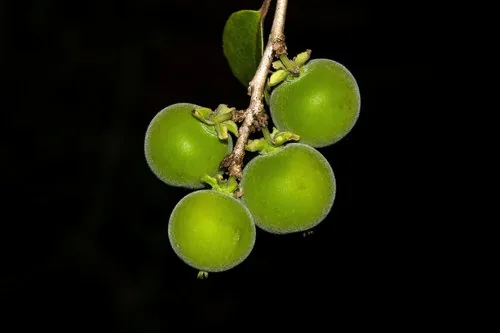
The Ceylon gooseberry (*Dovyalis hebecarpa*) is a spiny evergreen shrub to small tree from Sri Lanka and southern India, often grown for tart, plum-sized fruits with a fuzzy purple skin and juicy, aromatic pulp. Plants typically reach about 3–6 m (10–20 ft) with dense branching, simple leaves, and sharp axillary spines that make a living fence. In subtropical and tropical Americas it can fruit in warm subtropical and tropical conditions where winters stay mild and summers are humid, though very wet foliage can favor foliar issues if air movement is poor. Full sun to light afternoon shade for best flowering and fruit set. Prefers well-drained soil; water regularly when young, then taper to moderate irrigation once established. Avoid prolonged waterlogging. Seeds: Sow fresh seed in warm, fast-draining mix; germination can be slow and variable—patience helps. Cuttings: Semi-hardwood cuttings in warm seasons root under humidity with bottom heat in subtropical/tropical propagation setups. Pick fruits when fully colored, slightly softening, and aromatic—hand harvest with gloves due to spines. Process soon after picking for jams, syrups, or cooked uses; acidity mellows with sugar or cooking.
Permaculture Functions
- Edible: fuzzy purple plum fruits cook into tart jam, syrup, and wine once gloves manage axillary spines during picking -- on dioecious hedgerow plantings.
- Wildlife Attractor: inconspicuous flowers feed small pollinators -- while ripe fruit draws fruit-eating birds that managers may want to exclude with netting in small orchards.
- Border Plant: dense branching with sharp spines builds living fences along drive lanes and livestock paddocks -- where visual screening must also deter casual foot traffic.
- Windbreaker: multi-stem evergreen wall slows orchard row winds at low heights so tender citrus and guava leaves lose less moisture -- along exposed subtropical perimeters.
- Erosion Control: roots plus evergreen canopy armor sunny slopes once plants establish from cuttings -- holding soil on orchard berms where irrigation lines would otherwise wash gullies.
Companion Planting
Also mentioned as companions:
- Citrus
- Pineapple
Not yet profiled in PermiePortal
Threats & Pressure