About
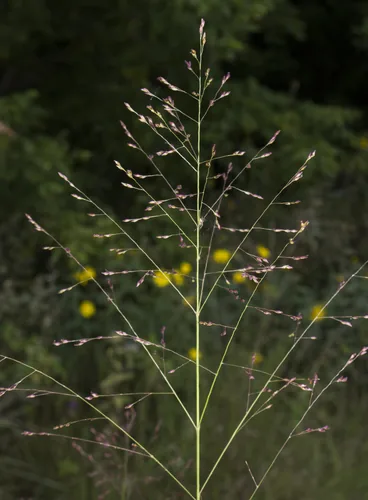
Switchgrass (Panicum virgatum) is a warm-season bunchgrass of North American prairies and roadsides, forming tall clumps with airy panicles that catch light from midsummer into fall. Heights range 3–8 feet (0.9–2.4 m) depending on ecotype and soil moisture—from lowland forms to upland selections. It anchors restoration mixes, biofuel conversations, and ornamental meadows that refuse irrigation theater. Full sun for strongest stems and fullest seed heads; shade causes lodging apologies. Adapted to a wide moisture gradient—choose ecotype to match site from moist lowlands to dry slopes. Well-drained soils prevent crown rot in humid heat. Sow seed in warm soil; select regional ecotypes for restoration integrity. Divide large clumps in spring if necessary. Cut back in late winter before new growth. Cut seed stems for arrangements when panicles are tan but before heavy shatter. Leave standing for winter cover and birds. Peak biomass tracks late-summer heat.
Permaculture Functions
- Erosion Control: Panicum virgatum deep roots mine four meters on lowland ecotypes -- match cultivar to moisture before planting upland genetics in detention basins.
- Wildlife Attractor: Seed plumes feed sparrows -- while bunch bases shelter bumblebee nests in unmowed refuge strips.
- Biomass: Alamo-type selections produce cellulose tons for hog fuel and mulch chips on marginal acres too wet -- for corn every season.
- Ornamental: Cloud panicles sway above little bluestem matrices in designed prairies -- that refuse irrigation guilt.
Companion Planting
- Wrong ecotype for site — upland selections sulk in soggy basins and vice versa
- Rich irrigation + tight spacing — lodging after the first thunderstorm
Threats & Pressure