About
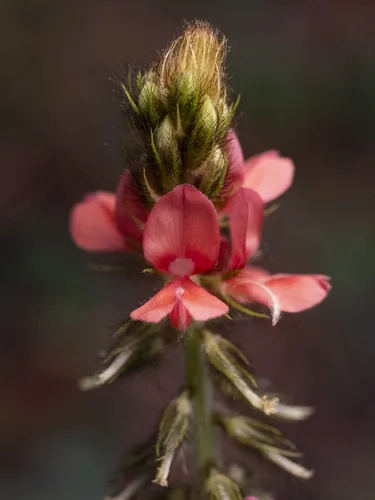
Hairy indigo is the warm-season cover crop for people tired of bare soil baking like parking lots. It is hairier than your uncle's vacation photos and fixes nitrogen while smothering weeds if you give it heat and time. Not the same as the perennial false indigo gang — this one behaves like an annual hero in Florida summer rotations. Seed in warm soil; frost finishes it without tears. Full sun for maximum biomass and nodulation. Tolerates poor sandy soils; drought-tolerant once established but grows faster with moderate water. Avoid waterlogged fields — roots need air between rains. Seeds: scarify lightly; drill or broadcast after soil hits reliable warmth. Incorporate before seed set if you are not breeding a weedy sequel. For Hairy Indigo, harvest timing follows the primary function you planted for -- flowers, fodder, mulch, or structure. Coppice or prune dormant windows where winters exist; subtropical plants often prefer dry-season cuts. Always sanitize tools between diseased and clean plants -- drama spreads faster than newsletters.
Permaculture Functions
- Nitrogen Fixer: Indigofera hirsuta hosts rhizobia on roots that fix atmospheric nitrogen into warm sandy fields -- follow with fall brassicas or corn so the next crop mines the bank left in root residues.
- Animal Fodder: Hairy stems and leaves provide warm-season browse acceptable to cattle when rotations stay short -- watch bloat risk like any lush legume and never turn hungry animals into unmowed novel forage.
- Wildlife Attractor: Small pink pea flowers feed native bees when you allow a bloom window before incorporation -- skip mowing for one week if beneficial insects need the nectar during a summer dearth.
Companion Planting
Also mentioned as companions:
- Sorghum-sudangrass
- Cowpea
Not yet profiled in PermiePortal
- Planting into cold wet soil
- Letting hard seeds mature if you dislike volunteer indigo
Threats & Pressure
- Aphids
- Banded Cucumber Beetle
- Bean Aphid
- Bean Weevil
- Bean Leaf Beetle
- Corn Earworm
- Cowpea Curculio
- Fall Armyworm
- Kudzu Bug
- Leafhoppers
- Locust Borer
- Locust Leaf Miner
- Lubber Grasshopper
- Pea Moth
- Pea Weevil
- Reniform Nematode
- Root Aphid
- Soybean Looper
- Spittlebugs
- Stink Bug
- Striped Cucumber Beetle
- Spotted Cucumber Beetle
- Brown Marmorated Stink Bug
- Harlequin Ladybird
- Velvetbean Caterpillar