About
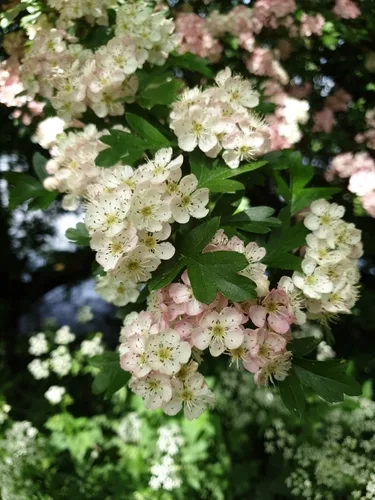
Medlar (Mespilus germanica) is a small deciduous tree native to southwestern Asia and nearby temperate regions of Europe. It typically grows about 5–8 m (16–26 ft) tall and forms rounded branches with leathery leaves, fragrant spring flowers, and hard fruits that become edible only after “bletting” (softening). In permaculture, it matters because it adds a distinct, late-season fruit tradition plus seasonal bloom and structure that supports pollinators and garden biodiversity. Full sun is best for flowers and fruit; partial shade can still work with slower output. Water moderately during establishment; once established it tolerates some dry spells. Prefers well-drained soil; avoid long waterlogged seasons that stress roots. Protect young trees from harsh, drying wind and cold snaps. Seeds: cold-stratify for months; germination can take time and seedlings may vary. Grafting/budding: use common methods to preserve cultivar traits and speed production. Hardwood cuttings may root in favorable conditions, but success varies. Harvest fruit in late fall when it’s still firm and brownish. Blet it after harvest by storing it cool until soft; then eat fresh or process. Use fruit for jams, compotes, or baked fillings; the softened texture is the whole point.
Permaculture Functions
- Edible: Mespilus germanica fruit is rock-hard and astringent off the tree -- blet until mealy-soft in cool storage, then spoon out apple-butter pulp for jam or baking where tannins mellow to caramel.
- Ornamental: Twisted branches, large leaves, and odd brown pomes hang on into winter -- reads medieval beside manicured lawns.
- Wildlife Attractor: Spring nectar feeds early bees while bletting fruit drops feed rodents and wasps -- pick up drops if yellow jackets host conventions near patios.
Companion Planting