About
Curry plant (Murraya koenigii) is an evergreen aromatic shrub native to tropical regions of Asia, grown for its glossy compound leaves with a distinct curry-like fragrance. It typically forms a bushy canopy and can be kept as a medium-height shrub in managed gardens, with new leaf flushes throughout warm seasons. In permaculture, it’s valuable because it turns a living shrub into a continuous kitchen harvest, while its flowers contribute nectar support and its leaf litter helps keep the understory fed. Full sun to partial shade; shade slows growth but reduces heat stress. Water moderately during active growth; once established it tolerates short dry breaks. Prefers well-drained soil with organic matter; waterlogged beds invite root problems. Protect from frost; cold can defoliate or kill young growth. Seeds: sow fresh when possible; germination may be slow and can take weeks to a couple of months. Cuttings: take semi-hardwood cuttings in warm seasons; root under humidity for best success. Layering: air-layer or mound-layer low branches to produce rooted plants without losing the parent. Harvest leaves as needed once the plant is established; take mainly from outer growth to encourage branching. For best flavor, pick young leaves and use quickly or dry gently for storage. Avoid stripping all foliage at once; curry plant needs leaves to keep producing.
Permaculture Functions
- Edible: Murraya koenigii leaves supply continuous aromatic harvests for tempering oil -- pick young leaflets for brightest carbazole-related flavor oils.
- Medicinal: Traditional use targets aromatic bitters for appetite and metabolism -- treat leaf chemistry as potent; research contraindications.
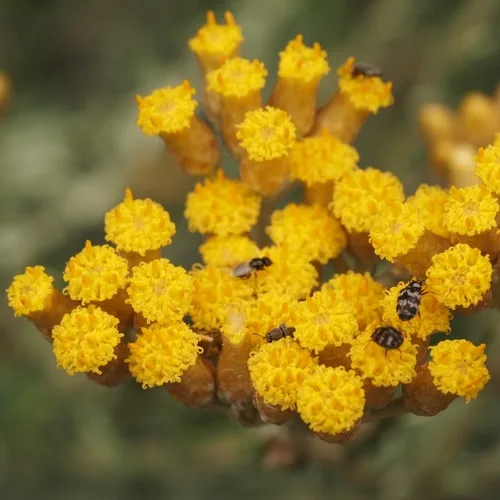
- Wildlife Attractor: Panicles of small, sweet-scented flowers feed generalist pollinators -- along kitchen herb rows in frost-free climates.
Companion Planting