About
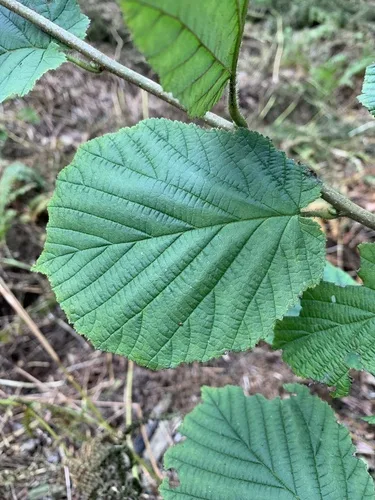
Hazel (Corylus avellana) is a classic temperate shrub or small tree grown for rounded nuts enclosed in leafy husks, with soft, hairy leaves and long yellow catkins in late winter. Plants typically form clumps 3 to 6 meters (10 to 20 feet) tall unless trained to a single trunk, and they sucker freely in moist soils. Many cultivars are selected for large nuts or blight resistance. It integrates into hedgerows, coppice systems, and forest garden edges across cool, humid climates worldwide. Plant in full sun to partial shade with fertile, well-drained loam. Consistent soil moisture improves kernel fill; drought during nut development causes blanks. Layer suckers or graft named varieties onto seedling rootstocks for disease management. Sow fresh nuts in autumn to grow own seedlings for hedgerow stock. Harvest nuts when husks begin to yellow and loosen; dry thoroughly before storage to prevent mold. Expect competition from squirrels unless nets or timing beat them.
Permaculture Functions
- Edible: Kernels roast for snacks and baking -- oil quality is high for cold-press use on small-farm scale with proper food safety steps.
- Wildlife Attractor: Catkins feed early pollinators; nuts feed rodents and birds -- plan extra plants if wildlife losses are acceptable.
- Windbreaker: Multi-stem thickets slow wind across vegetable rows -- seasonal leaf-out allows more winter sun than dense conifers.
- Erosion Control: Fibrous roots stabilize slopes in humid regions -- works on berms above ponds where periodic moisture supports growth.
- Mulcher: Leaf drop and husks add organic matter annually -- rake into pathways or chop-and-drop under compatible understory.
Companion Planting
Threats & Pressure