About
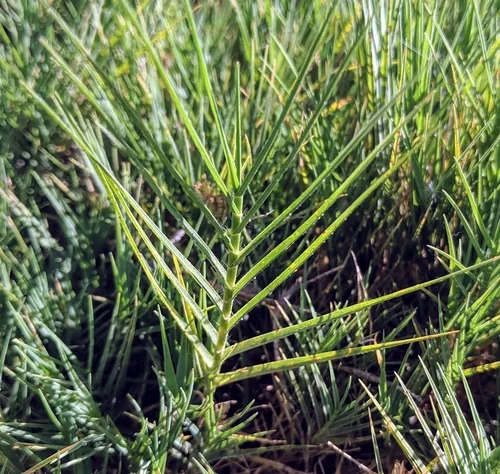
Saltgrass (Distichlis spicata) is a low, stiff, salt-tolerant grass of coastal salt marshes, alkali flats, and brackish margins, spreading by rhizomes into dense turf-like stands. Blades are gray-green, often sharply pointed, and inflorescences are narrow spikes held just above the foliage; height is usually under about 18 inches in turf form but can vary with ecotype and moisture. Full sun; tolerates periodic inundation with brackish or saline water and also seasonal dry downs. In subtropical and tropical Americas it belongs in true coastal swales, living shorelines, and rain gardens that receive some salt—not in ordinary raised vegetable beds unless you are deliberately simulating a saline niche. Rhizome divisions: dig plugs during the less stressful season for your site, keep roots wet, replant into prepared mud or sand. Seeds: collect when ripe; germination may be improved with wet/cold stratification depending on population. Establish during calm tidal or irrigation windows so plugs are not washed out. Trim or graze lightly if managing for wildlife structure; avoid heavy machinery on saturated rhizome mats.
Permaculture Functions
- Erosion Control: Distichlis spicata rhizomes lock mud and sand against tidal scour on living shorelines -- where ordinary turfgrass roots rot from salt.
- Ground Cover: Gray-green blades stitch into stiff turf between high tide and upland fringe -- where freshwater lawn cultivars brown out after one spray season.
- Wildlife Attractor: Dense rhizome mats hide marsh crabs, rails, and small shorebirds -- while blades supply nesting weave material above brackish water.
- Water Retention: Fibrous roots and sponge-like soils behind the turf blunt sheet flow -- across marsh pans so storm pulses spread instead of slicing new channels.
Companion Planting
Threats & Pressure