About
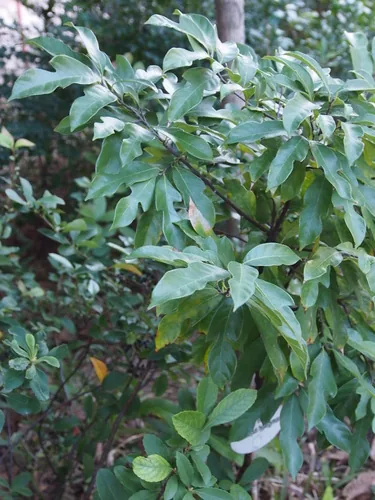
Kwai Muk is a compact, slow-growing relative of jackfruit and breadfruit, topping out around 15–25 feet (~4.5–7.6 m) in cultivation—think jackfruit for people who do not have a stadium parking lot for one tree. The yellowish, waxy-skinned fruit is smaller than jackfruit but still a starchy-sweet conversation piece when you actually get one to ripen. Reality check: this is a true tropical. In 9a/9b you are basically running a pet tree—cold winter nights will insult it, so microclimate, frost cloth, or a large pot you can roll under cover are the honest options. True tropical lowlands and greenhouse growers have the easier job. Full sun for best growth once established. Young trees want steady moisture; mature specimens tolerate short dry spells but not desert cosplay. Well-drained soil—wet feet rot roots like any Moraceae. Fresh seed is the usual path; air-layering or grafting are options for clones of a known good fruiting individual. Start warm (think summer bench) and do not let seedlings sit soggy. Pick fruit when waxy skin yellows and flesh gives the right snap for your selected cultivar—compact trees still need ladder honesty.
Permaculture Functions
- Edible: Artocarpus hypargyraeus bears small, waxy yellow fruit with jackfruit-adjacent aroma at a fraction of tree size -- wait until skin yellows and flesh softens because immature latex stays unpleasantly gummy.
- Ornamental: Dense, glossy leaves and modest height suit courtyard tropical collections where A. heterophyllus would eat the yard -- still protect from cold snaps because Moraceae sulk below frost thresholds.
- Windbreaker: Multiple trees in rows filter steady breezes across banana mats once crowns interlock -- trunks stay slender, so add deeper-rooted species if hurricane wind is the real enemy.
- Mulcher: Continuous leaf litter feeds fungal humus under the drip line -- rake piles away from collar if mulch volcanoes invite stem rot in humid summers.
Companion Planting
Threats & Pressure