About
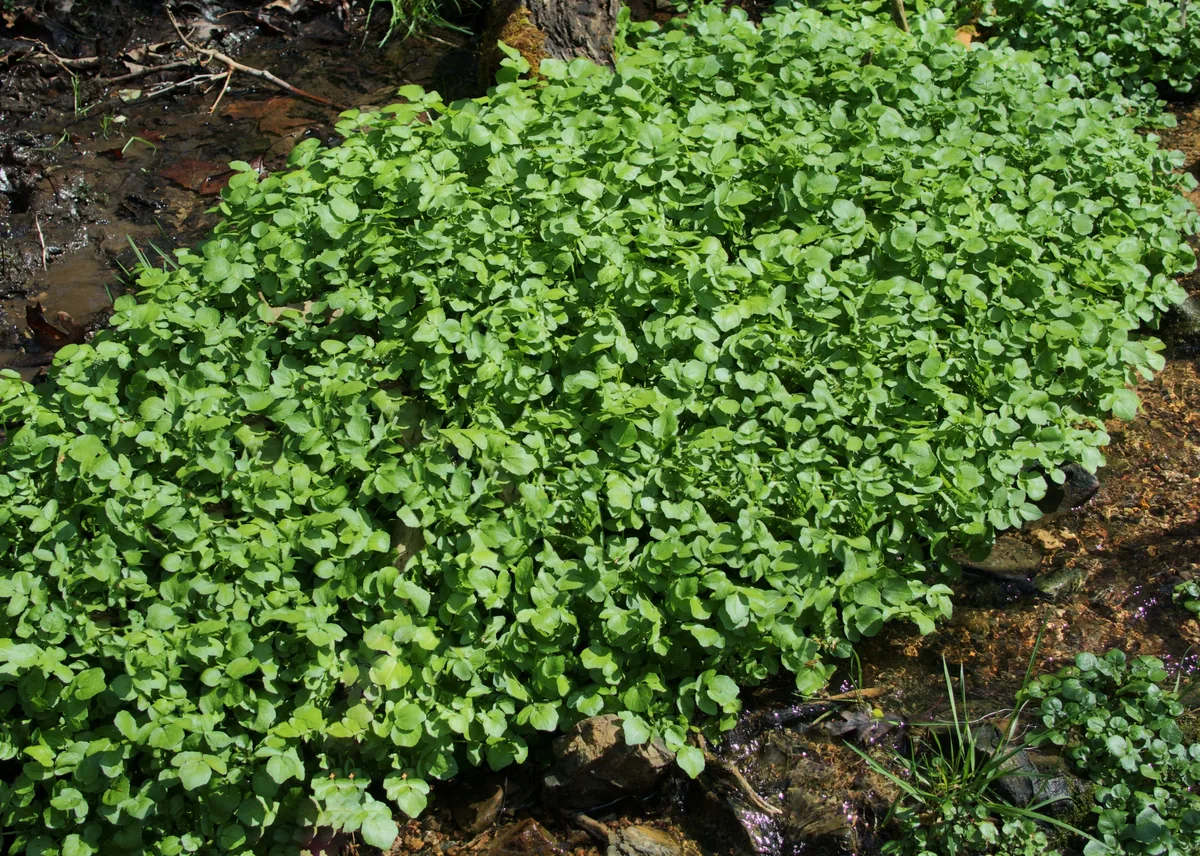
Watercress (*Nasturtium officinale*) is a fast-growing, aquatic or semi-aquatic perennial herb native to Europe and Asia. It typically grows up to 60 cm (24 inches) in length, with hollow, branching stems that float in water or sprawl over moist ground. The leaves are pinnately compound with oval to egg-shaped leaflets, and it produces small, white flowers in clusters. Known for its peppery, tangy flavor, watercress is one of the oldest known leaf vegetables consumed by humans. Watercress thrives in full sun to partial shade and requires constant moisture, often growing in shallow water or damp soil. It prefers slightly alkaline water conditions and is well-suited to hydroponic cultivation. :contentReference[oaicite:0]{index=0} Watercress can be propagated through seeds or cuttings. Seeds should be sown in moist soil or directly in water, while cuttings can root easily when placed in water or wet soil. Harvest young shoots and leaves regularly to encourage bushier growth. Continuous harvesting is possible due to its rapid growth rate.
Permaculture Functions
- Edible: Nasturtium officinale hollow stems stay peppery in cold flow -- eat raw only from tested clean water; liver fluke risk is about upstream sheep, not your dressing recipe.
- Medicinal: Glucosinolates and vitamin C underpin traditional spring tonic use -- go easy if you are on blood thinners or thyroid meds; brassica chemistry is not decorative.
- Ground Cover: Roots anchor gravel in springheads -- fibrous mats armor seeps against winter scouring better than bare cobble.
- Water Purification: Running-water rhizomes filter dissolved nutrients from spring-fed channels -- traditional cress beds show measurable nutrient drawdown downstream of established mats.