About
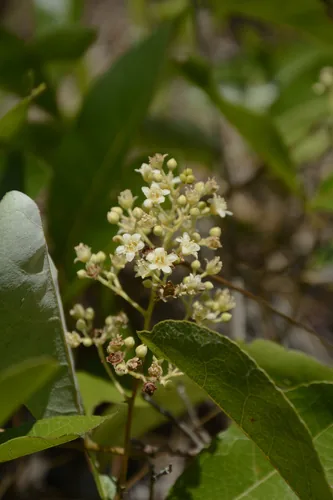
This entry uses gopher apple (Licania michauxii) as a flagship species for sandy scrub and longleaf pine ecosystems where gopher tortoises dig extensive burrows; the apron and mound host a community of grasses, legumes, and forbs that together form forage and structure for tortoises and neighbors. Gopher apple itself is a low, often evergreen shrub with leathery leaves and fruit wildlife—including tortoises—may use when available. Think in patches, not patio pots: restoration and ethical observation beat grabbing animals for selfies. Full sun on deep, excessively drained sands typical of scrub and sandhill; partial shade appears at ecotones. Drought tolerance is high once established; irrigation should mimic summer wet pulses, not perpetual lawn neurosis. Never plant into compacted urban fill and pretend it is sandhill. Sow seed from cleaned fruit where regulations allow; germination can be slow. Protect young plants from rabbit and rodent browse with cages until stems lignify. Restore whole patches with diverse seed mixes appropriate to local genotype—single-species lawns help nobody here. Human harvest of gopher apple fruit is secondary to wildlife function—prioritize leaving food on aprons where tortoises are present. For restoration projects, collect seed ethically with permits when required. Monitor invasive exotics around burrows; manual removal beats broadcast herbicide drift into refugia.
Permaculture Functions
- Wildlife Attractor: Licania michauxii and companion scrub forbs on gopher tortoise burrow aprons supply browse and fallen fruit for tortoises and their commensals -- design patches so food stays on-site and animals are not pulled into traffic or pets.
- Erosion Control: Fibrous root mats of low shrubs and grasses bind sand around burrow mouths and animal trails -- this cuts slumping where tortoises and other species repeatedly enter the same holes in deep sand.
- Ground Cover: Low stature keeps sun on sandhill openings while stems knit bare sand -- you get structure without closing the canopy that scrub herbs and wiregrass need.
- Edible: The small drupes are wildlife-first calories for tortoises -- human tasting is occasional curiosity, not staple planning, and permits or ethics may govern collection near protected populations.
Companion Planting
- Legally protected species and habitat — never harass tortoises or destroy active burrows; follow local wildlife law
- Fire exclusion — scrub turns to woods and burrow communities lose sun; plan prescribed fire with experts
Threats & Pressure