About
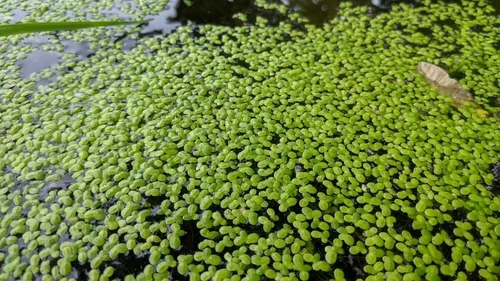
Duckweed (*Lemna minor*) is a free-floating aquatic perennial known for its rapid growth and small size. Each plant consists of a single, flat, oval-shaped frond approximately 1.5 to 3.5 millimeters in length, making it one of the smallest flowering plants. The fronds float on the surface of still or slow-moving freshwater bodies, with fine roots hanging beneath. Duckweed thrives in nutrient-rich waters and can form dense, green mats that cover the water's surface. Duckweed prefers full sun exposure but can tolerate partial shade. It grows best in calm, nutrient-rich waters with a neutral pH. Optimal water temperatures range between 17°C and 26°C (63°F to 79°F). Propagation primarily occurs vegetatively, with new fronds budding off from parent plants. To cultivate duckweed, introduce a small number of fronds to a nutrient-rich, still water body. Ensure adequate sunlight and monitor nutrient levels to promote rapid growth. Duckweed can be harvested year-round in suitable climates. In temperate regions, growth slows during cooler months. Harvest by skimming the floating mats from the water's surface, ensuring some fronds remain to sustain the population.
Permaculture Functions
- Edible: Lemna minor fronds concentrate protein when skimmed and dried -- Asian cuisines use tiny duckweed as vegetable protein; rinse and process thoughtfully.
- Animal Fodder: Rapid biomass supports fish, poultry, -- and livestock ponds as high-protein surface feed when heavy metals and pathogens are ruled out.
- Water Purification: Floating mats strip dissolved nitrogen and phosphorus from eutrophic ponds -- harvest regularly or mats crash oxygen when they senesce.
- Biofuel: Starch-rich fronds are feedstock candidates for biogas digesters -- and ethanol pilots where farm-scale handling exists.
Companion Planting
- Watermeal