About
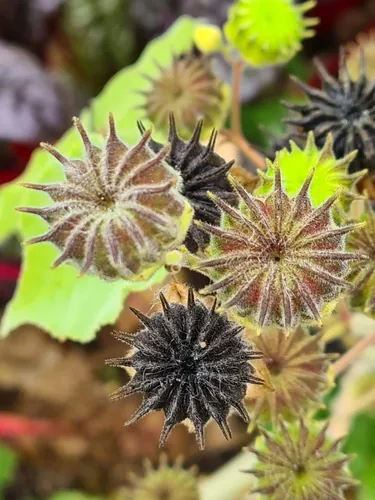
Corchorus olitorius is the dual-use annual malvaceous workhorse: edible leafy greens in many cuisines and bast fiber in the 'actually industrial' sense. It wants long sultry days, fertile soil, and moisture when it is stacking biomass—heat the way monsoon summers deliver it. Treat it like kenaf's slimmer cousin: not subtle, not evergreen, not impressed by your spring frost dates. Full sun. Rich, well-drained soil with steady moisture during explosive growth. Heavy feeding — feed the plant before it feeds your regrets. Direct sow after soil warms; dense planting for fiber trials, wider for leaf harvest. Optional indoor starts if you are racing the season. Young leaves for greens; stems for fiber at stages before they turn into rope that hates you.
Permaculture Functions
- Fiber: Corchorus olitorius stems yield summer bast fiber for cordage trials -- harvest stems before lignin turns rope bitter, then rett and rinse like small-scale linen without industrial boilers.
- Edible: Young leaves cook into mucilaginous molokhia stews across North Africa and the Levant -- pick tips during explosive mid-summer growth before stems turn fibrous.
Companion Planting
Also mentioned as companions:
- Cowpea
Not yet profiled in PermiePortal
- Cold wet soil at sowing — seeds rot fast
- Letting it dry to straw mid-growth if you wanted edible leaves
Threats & Pressure