About
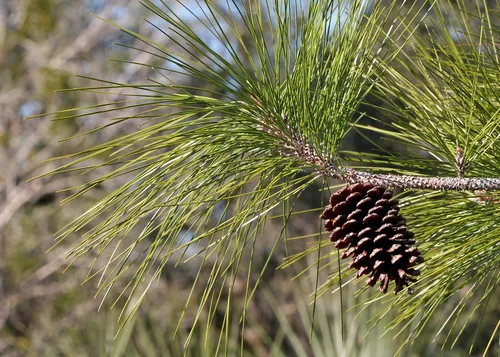
Slash pine (Pinus elliottii) is a fast-growing southern pine of flatwoods and commercial plantations, with long needles in bundles of two or three and tall straight trunks when given sun and moisture. Heights exceed 80 feet (24 m) in favorable sites, producing timber, pine straw, and habitat structure for wildlife. Ecotypes vary—coastal vs interior forms differ in salt and frost tolerance. Full sun for straight growth and dense crowns. Moist, acidic, well-drained sandy soils are classic; tolerates seasonal water tables in flatwoods. Drought-stressed trees invite bark beetles—irrigate young plantations during establishment droughts. Sow seed from selected orchards for timber traits. Plant bareroot seedlings in winter dormancy in warm climates. Prune only for clearance; never top mature pines. Pine straw raking should sustain soil organic matter—avoid stripping crowns. Timber harvest follows forestry plans, not impulse weekends. Growth peaks during long warm seasons with adequate rainfall.
Permaculture Functions
- Windbreaker: Pinus elliottii plantations on contour blunt hurricane trades across coastal vegetable pads -- when rows stay thinned enough to avoid beetle chaos.
- Wildlife Attractor: Winged cones feed fox squirrels -- while long needles shelter wintering passerines inside open pine savanna restoration plots.
- Biomass: Resinous small-diameter thinnings chip cleanly into mulch or hog-fuel boilers -- when pulp markets buy low-grade stems.
- Erosion Control: Tap-rooted pulp rotations anchor Lakeland sands -- where cotton strips subsurface bare after one drought cycle.
Companion Planting
- Bark beetles during drought—maintain tree vigor and spacing
- Fire and machinery — resinous forests demand respect for ignition sources
Threats & Pressure