About
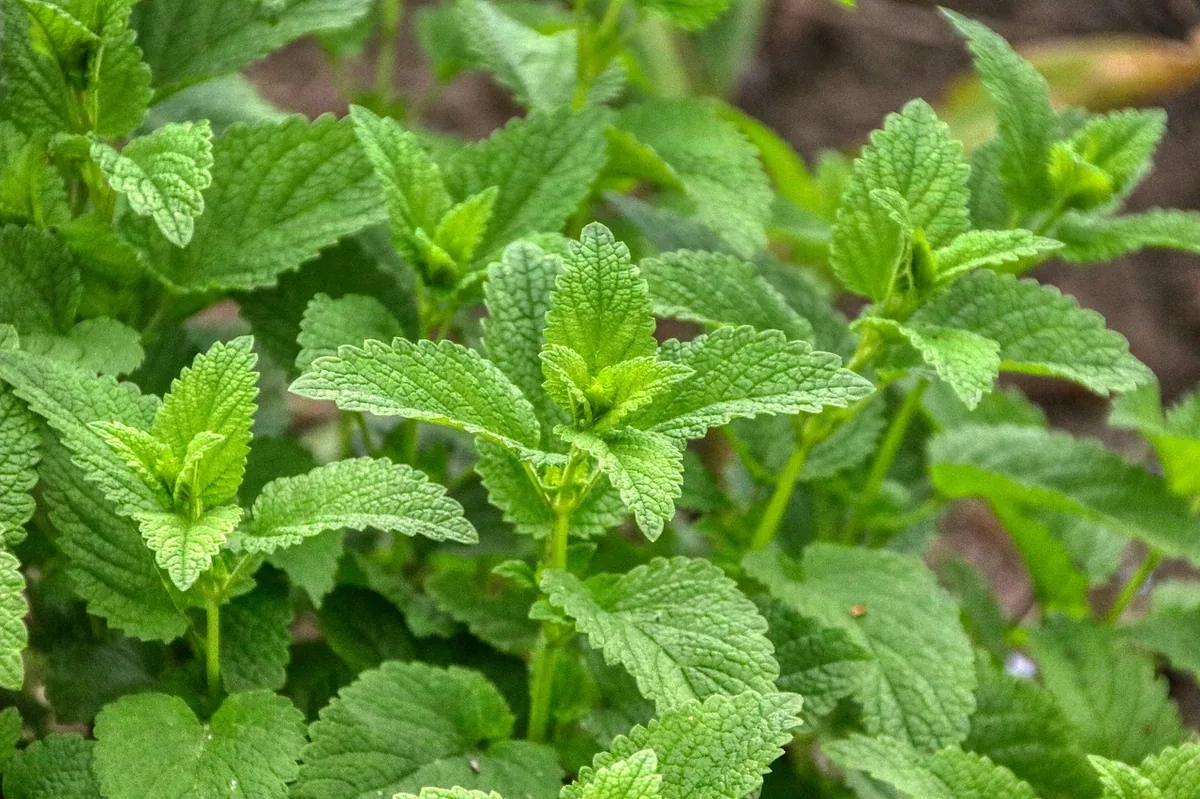
Lemon Balm (Melissa officinalis) is a bushy, aromatic herb that grows up to 90 cm (3 feet) tall. It has bright green, oval-shaped, serrated leaves with a strong lemon scent. The small white or pale yellow flowers bloom in late summer and attract bees and other beneficial pollinators. This plant thrives in a variety of soils but prefers moist, well-drained, fertile conditions. It spreads easily by seed and root division, making it an excellent companion plant but also potentially invasive if not managed. Prefers full sun to partial shade. Requires well-drained, fertile soil with moderate moisture. Drought-tolerant once established but benefits from consistent watering. Seeds: Start indoors 6–8 weeks before last frost or direct sow in spring. Cuttings: Root cuttings in water or soil. Division: Established plants can be divided and replanted. Leaves can be harvested throughout the growing season for fresh use. Best harvested in the morning before flowering for maximum essential oil concentration. Can be dried or used fresh for tea, tinctures, and culinary applications.
Permaculture Functions
- Edible: Crushed fresh leaf sweetens water and fruit salads without sugar -- chop fine into fish marinades before heat so citronellal oils volatilize into steam instead of bittering the protein.
- Medicinal: Rosmarinic acid tea is traditional for nerves and herpes-simplex labialis topical care -- thyroid medication timing and sedative interactions appear in herb-drug references; check your list before daily cups.
- Pollinator: Tiny white whorls along stem tips feed honeybees and small native bees in September -- when goldenrod dominates taller layers but short herbs still matter at knee height.
- Wildlife Attractor: Clouds of small bees around blooming clumps signal parasitic wasp habitat nearby that also hunt tomato hornworm eggs -- when lemon balm sits one bed over from solanaceae.
- Dynamic Accumulator: Potassium and nitrogen spike in quick leaf tests after compost tea drenches -- chop-and-drop prunings rot fast enough to feed fall brassicas without tying up surface nitrogen for months.
- Border Plant: Clumps edge raised beds under partial shade where mint would bully neighbors -- Melissa spreads by seed and runner so harvest edges hard twice a summer to keep paths walkable.
- Pest Management: Rubbed leaf juice on ankles repels biting flies for short outdoor chores -- plant density beside seating matters more than single sprigs for any stable effect.
Companion Planting
No companion data yet.
Also mentioned as companions:
- Squash
- Tomato
- Cabbage
- Chamomile
- Basil
Not yet profiled in PermiePortal
- Mint (can compete aggressively)
Threats & Pressure