About
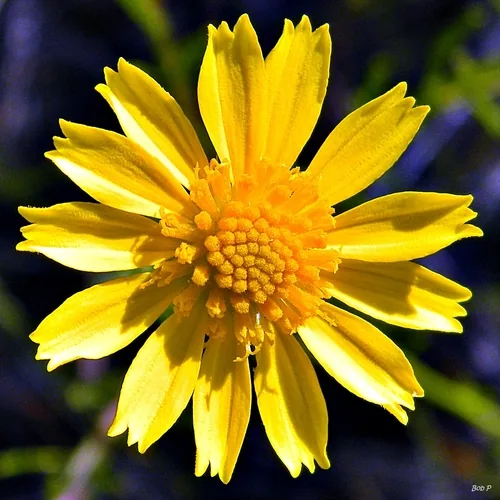
Coastalplain honeycombhead (Balduina angustifolia) is a perennial sunflower relative of sandy pine savannas and coastal plain scrub, forming a basal rosette of narrow leaves and sending up 1–3 foot (0.3–0.9 m) stems topped with yellow composite heads in late summer to fall. The disk looks honeycombed up close—nature’s answer to overdesigned garden art. In restoration and native gardens on well-drained, low-nutrient sand it supports late-season pollinators when many early forbs have clocked out. Full sun for strong stems; shade causes flop. Tolerates droughty sand once established; still benefits from occasional deep watering during prolonged dry spells in container trials. Avoid heavy clay and chronic irrigation that feeds competing weeds. Sow seed after cold stratification or fall-sow outdoors; germination improves with warmth and light. Divide mature rosettes in early spring before bolting. Avoid rich compost topdressing that shifts competitive balance toward generic weeds. Leave flowers for pollinators; collect dry seed heads when brown for restoration mixes. Cut spent stalks in late winter if tidy aesthetics matter—otherwise leave stems for stem-nesting insects.
Permaculture Functions
- Pollinator: Honeycomb-textured yellow disks pump nectar and pollen in late summer -- when many early sandhill forbs are already seeding.
- Ornamental: Basal rosettes of needle leaves and upright yellow heads read intentional on xeric sand -- where lush cottage plants would desiccate.
- Wildlife Attractor: Finches and sparrows pick clean dry Balduina heads -- if stems stand into cool weather.
- Erosion Control: Deep taprooted rosettes anchor pine-barren cuts, trail edges, and restored sandhill berms -- between burn cycles.
- Border Plant: Knee- to waist-high bloom spikes trace sunny paths through wiregrass and bluestem matrices -- without formal hedge clipping.
Companion Planting
- Rich, irrigated loam — invites weed smothering unless you edit competitors aggressively
Threats & Pressure