About
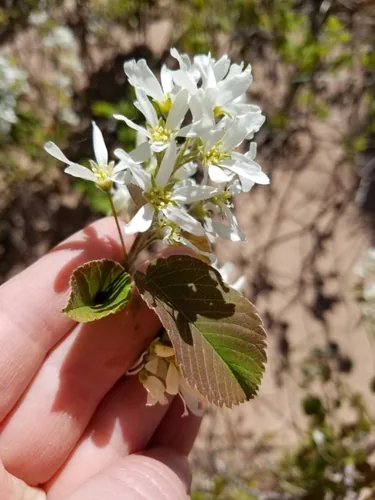
Roundleaf serviceberry (Amelanchier sanguinea) is a multi-stemmed deciduous shrub to small tree of northeastern North American woods edges, recognized for nearly round leaves, white early-spring flowers, and dark red-purple edible pomes ripening in early summer. Heights of 6–15 feet (1.8–4.5 m) are typical, often forming thickets that bridge forest and meadow. It is a classic hedgerow fruit for jellies and fresh eating where birds are willing to share. Full sun to partial shade; heavier fruiting in brighter sites. Moist, well-drained, humus-rich soils suit it; tolerates acidic woodland soils. Mulch to keep roots cool; water during drought in the first two years after transplant. Sow stratified seed; suckers transplant in early spring. Softwood cuttings under mist work for clones. Prune for an open vase shape to improve light on fruiting wood and reduce leaf-wetness time. Pick pomes when color deepens and they detach with a gentle twist—timing is early summer in cool climates, earlier in warm years. Process quickly into jams or pies; fruit softens fast. Bloom follows last hard frosts near 24°F (-4°C) risk in northern sites.
Permaculture Functions
- Edible: Amelanchier sanguinea dark red-purple pomes ripen early summer with sweet-tart juneberry flavor for pies and jam if you beat waxwings to the cluster -- nearly round leaves confirm ID at the picking ladder.
- Wildlife Attractor: Caterpillars and early bees use the thicket; fruit draws robins and chipmunks in waves after color shifts -- plant extra stems if you want human share without net drama every June.
- Pollinator: Profuse white racemes open right after frost risk eases in northern woods edges, packing nectar and pollen into a short spring window when little else blooms on cold ground -- late freezes still murder blooms some years.
- Border Plant: Multi-stem thickets bridge meadow to forest, screening compost piles and woodland paths when allowed to clump -- open-vase pruning lifts fruiting wood and cuts leaf-wetness time on humid nights.
Companion Planting
- Cedar-apple rust complex—separate new plantings from alternate junipers when disease pressure is high
- Bird competition—netting ethics vary; plan shares honestly
Threats & Pressure
- Aphids
- Apple Maggot
- Bagworm
- Blackberry Psyllid
- Cherry Fruit Fly
- Codling Moth
- Cyclamen Mite
- Fall Webworm
- Japanese Beetles
- Lesser Peachtree Borer
- Oriental Fruit Fly
- Oriental Fruit Moth
- Peach Twig Borer
- Peachtree Borer
- Pear Psylla
- Plum Curculio
- Raspberry Beetle
- Raspberry Cane Borer
- Rose Slug
- Sparganothis Fruitworm
- Spittlebugs
- Stink Bug
- Strawberry Root Weevil
- Twig Girdlers
- Vine Weevil
- Gall Mite
- Rust Mite
- Spotted Lanternfly
- Brown Marmorated Stink Bug
- Eastern Tent Caterpillar
- Harlequin Ladybird
- Tent Caterpillar